Balancing data rights is about protecting human rights
By: EBR | Friday, May 7, 2021
2020 was a year like no other. Amid many other lessons, the crises of the last year showed once and for all that how we manage and use data can both save and destroy lives

Digital contact tracing apps help slow COVID-19. Here’s how to increase trust
By: EBR | Friday, May 7, 2021
In response to COVID-19, many countries have turned to digital contact tracing technologies (DCTs) to fight against the deadly pandemic

How technology can help unbanked access e-commerce
By: EBR | Thursday, May 6, 2021
Are the days of cash numbered? Cash it seems may not be king for much longer

AI governance’s time has come. 6 ways to act now
By: EBR | Thursday, April 29, 2021
Our pandemic response accelerated the incorporation of powerful AI tools and technologies that support new ways of working, hiring, managing, analysing and sourcing

How to Tell the Age of an Innovation
By: EBR | Thursday, April 29, 2021
Innovation never sleeps. It’s a relentless pursuit of the new and different, spurred by the awareness that yesterday’s breakthrough is today’s bare minimum for staying in the game

How to conserve 30% of the planet by 2030
By: EBR | Tuesday, April 27, 2021
Canada is one of 55 countries planning to conserve 30% of its land and water by 2030, to stem the negative effects of climate change

Effects of the pandemic and a new behavioral profile in the Retail sector
By: EBR | Monday, April 26, 2021
Global effects of the first and second wave of Covid-19 pandemic- as recorded by international statistics, will significantly affect global growth with an -5,3% average rate of decline in 2020, and growth is expected to moderate to 0,7% in 2021

How governments can redesign support for entrepreneurs after COVID-19
By: EBR | Monday, April 26, 2021
In the wake of COVID-19, most governments face unprecedented unemployment. This is particularly challenging in developing economies, which lack robust social safety nets and where unemployment and poverty were pronounced before the pandemic

Sweetening the deal for heat decarbonisation
By: EBR | Monday, April 26, 2021
How can we expect people to invest in heat pumps if we deliberately make electricity more expensive than fossil gas, oil and coal? That’s like taxing water and subsidising sugary drinks

What to know about the EU’s facial recognition regulation – and how to comply
By: EBR | Friday, April 23, 2021
The European Commission’s (EC) proposed Artificial Intelligence (AI) regulation – a much-awaited piece of legislation – is out

How AI can solve manufacturing’s waste problem
By: EBR | Thursday, April 22, 2021
Earth Day inspires many consumers to examine their recycling, composting and consumption. That’s all good, but it isn’t where the heart of the waste problem lies

Most major companies failing climate targets: study
By: EBR | Thursday, April 22, 2021
Fewer than one in four of the world’s largest companies are on track to meet basic climate change targets, according to a new study
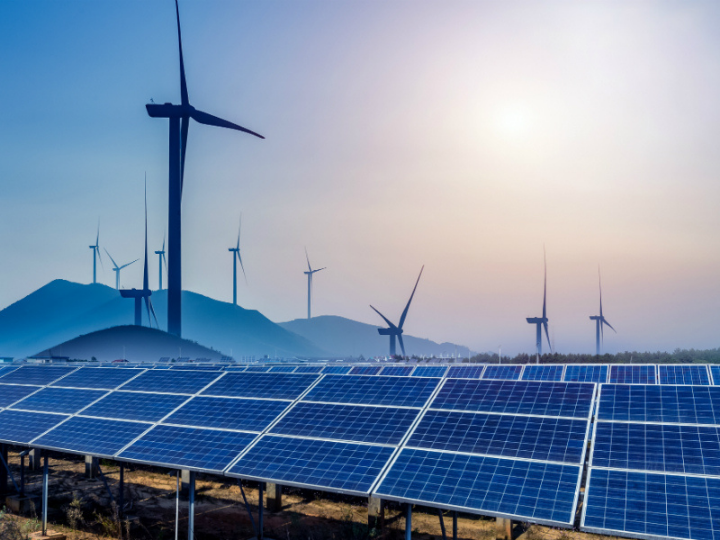
5 key lessons for energy transition from COVID-19 recovery
By: EBR | Wednesday, April 21, 2021
The COVID-19 recovery efforts offer five lessons to accelerate the energy transition in the next decade

AI rules must help increase public trust
By: EBR | Wednesday, April 21, 2021
EU regulation on artificial intelligence must be designed to increase user trust, while unlocking innovation

Sustainable transport can’t just depend on batteries
By: EBR | Wednesday, April 21, 2021
When we try to envision what our future world will be like, we picture cleaner, quieter, emission-free streets and transport corridors

Embracing technology as a service will fuel the circular economy
By: EBR | Tuesday, April 20, 2021
Offering as-a-service requires the overhaul of a company’s business and digital transformation strategy but yields significant benefits for all

Video conferencing is here to stay, so how can we beat the fatigue?
By: EBR | Tuesday, April 20, 2021
“The blurring of lines between home and work and the relentlessness of the pandemic workday have taken a toll on our well-being”

Here’s why post-COVID-19 recovery plans should focus on care work
By: EBR | Monday, April 19, 2021
The pandemic has highlighted just how vital care workers are to society. But the people who work in this sector have been neglected for too long

Why COVID-19 government support needs to be tailored and targeted
By: EBR | Friday, April 16, 2021
The race to vaccinate against COVID-19 continues, but the pace of inoculation varies widely across countries, with access unavailable to many

Why philanthropy needs to prepare itself for a world powered by AI
By: EBR | Friday, April 16, 2021
Artificial intelligence presents itself in both grand and mundane ways. It accelerates the scientific process, leading most recently to the development of COVID-19 vaccines at record speed
 By: N. Peter Kramer