Edition: International | Greek
MENU

Home » EU Actually

THE WEEK THAT WAS... (Jan. 14, 2013)

EBR Chief-editor’s Monday Morning Column, January 14. This week N. Peter Kramer writes about "Don't mention 'referendum'..."

By: EBR - Posted: Monday, January 14, 2013

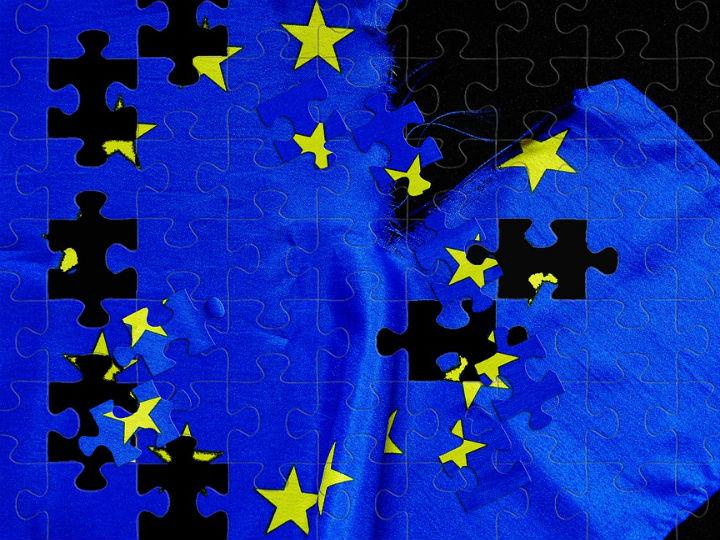
In ‘Brussels’ referendums are anyhow seen as a real phantom. The Danish ‘No’ in1992, the French and Dutch ‘No’ in 2005 and Ireland’s ‘No’ in 2008 on European treaties are well remembered. When, in 2011, the then Greek Prime Minister Papandreou dared to propose a referendum about the austerity plans for his country, he terrified the other EU leaders. He signed his own political death sentence…

Coincidence or provocation? The British Prime-Minister Cameron announced his long awaited speech on Europe for January 22. The same day that German Chancellor Merkel and French President Hollande will lead celebrations marking the 50th anniversary of the Elysée Treaty of post-war Franco-German reconciliation. Perhaps ‘London’ thinks of another 50th anniversary that passed unnoticed last month. In December 1962 Charles de Gaulle, then President of France, vetoed the UK’s application to join the European Economic Community, forerunner of the European Union. Since then in France, and not only in France, it is often questioned whether the UK is a suitable partner for building a united Europe.

What will Prime Minister Cameron say on January 22? Will he commit himself to a referendum on a revised EU membership of the UK? It is clear what the result of such a referendum will be. A question is also, how many allies the UK still has in the EU. Few EU leaders see scope for renegotiations, fearing that there will be a risk for undermining a more integrated EU; seen as an important weapon to combat the ongoing crisis in the EU and especially in the Eurozone.

In ‘Brussels’ referendums are anyhow seen as a real phantom. The Danish ‘No’ in1992, the French and Dutch ‘No’ in 2005 and Ireland’s ‘No’ in 2008 on European treaties are well remembered. When, in 2011, the then Greek Prime Minister Papandreou dared to propose a referendum about the austerity plans for his country, he terrified the other EU leaders. He signed his own political death sentence…

Conclusion: it is about the economy, not the democracy! So please say ‘No’ to referendums on the EU!

READ ALSO

EU Actually

European Parliament challenges member-states with an additional budget increase of 10 percent

N. Peter KramerBy: N. Peter Kramer

In his weekly column, N. Peter Kramer writes how the EP opposes Commission’s proposal to cut back on traditional programmes such as agriculture and cohesion

Europe

The EU–India Deal Is Done. Africa Must Be Next

The EU–India Deal Is Done. Africa Must Be Next

The EU-India FTA deal showed Brussels can move when the stakes are high; Africa is the real test of whether Europe can protect its economic security in a more fractured world.

Business

Where Romania can build excellence: the sources of future competitiveness

Where Romania can build excellence: the sources of future competitiveness

Romania has been, for most of its recent history, a story of potential deferred. The standard account of Romanian competitiveness, to the extent one exists in international business literature, is a cost story: cheap labor, low corporate taxes, a large domestic market for Central and Eastern European standards.

MARKET INDICES

Powered by Investing.com
All contents © Copyright EMG Strategic Consulting Ltd. 1997-2026. All Rights Reserved   |   Home Page  |   Disclaimer  |   Website by Theratron