Both Finland and Estonia face tough challenges in the future - not least from each other.
Finland is a rich nation, famed for high taxes and its generous welfare state.
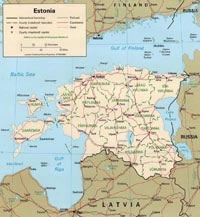
But only 50 miles across the Baltic Sea lies Estonia. This small country, an unwilling part of the Soviet Union until 1991, is not nearly as wealthy as its Finnish neighbour.
The average annual salary is 6,000 euros (£4,100; $8,000), but some of its company taxes are as low as 0% to lure foreign investment.
Centre of excellence
Finland joined the EU only in 1995, but has been rich for decades.
Its traditional industries were timber and engineering based, but since World War II it has been a centre of excellence in the shipbuilding and technology sectors.
So how did Finland - with its high wages, high taxes and relative remoteness - manage to become and remain wealthy?
"We have been close to the markets that suited us well," says Jormo Makela, a senior diplomatic correspondent with Finnish television.
"After the Second World War it was the Soviet market, and after the collapse of the Soviet Union it has been the European Union market. The question is whether we are able to maintain this type of orientation in the future."
Mr Makela also doubts if Finland can continue to afford to fund its generous welfare state in its current state.
Market leaders
It is unlikely, though, that Finland would scrap its liberal social model any time soon.
Instead the country continues to focus on being the best in key business niches. Apart from the mobile phone giant Nokia - which accounts for a quarter of total Finnish exports - Finland has produced market leaders in many specialist areas.
Kone makes lifts and escalators, which rank only behind Schindler in the world in terms of sales.
Suunto sports watches are coveted around the world by athletes and health enthusiasts, and three of the world's top 10 timber and paper companies are Finnish.
Finland knows it cannot beat cheaper countries, especially in the Far East, on prices. So it zeroes in on what it does best - engineering and product development, training its people to the highest standards so the country can continue to create world beating products.
It also has the highest per capita levels of research and development in the world, which enables it to bring new technologies on stream faster.
"Finland has always been a small trading nation, like all the Nordic countries, so we have learned to adjust to the global economy," says Erkki Tuomioja, Finland's foreign minister.
"We have been internationalised well before people started talking about globalisation. We are very aware that we need to keep up our own competitiveness. Nobody owes us anything."
Attracting business
Apart from the threat from cheaper competition from the Far East, Finland's newest and potentially most damaging rival is just across the Baltic.
It only takes 15 minutes and 75 euros to take a helicopter ride from Helsinki to the Estonian capital, Tallinn, and many Finnish business people are making the journey.
Estonia is one of the EU's newest members and has caused a stir amongst the older members, which have complained about its low tax regime.
Germany's Chancellor Gerhard Schroeder has said Estonia's 0% company taxes are driving jobs away from his country.
But Estonian Prime Minister Juhan Parts defends his policies.
"We are trying to encourage business to come to Estonia, and motivate entrepreneurs both domestic and foreign," he says.
"The tax system is very effective and it is trying to create jobs here. If you are talking about certain needs of harmonisation of the tax systems in the EU - for developing the better function of an internal market - I think the Estonian model is quite suitable."
Even though Estonia has made great strides, it still has a long way to go to reach the same high standards of living as its western European neighbours.
Meanwhile, Finland has some of the highest standards in the world but faces tough competition from cheaper countries - and not just in Europe but also from the Far East, and especially China.
But both Finland and Estonia are widely seen as following the right track - Finland by investing heavily in research and development and its own people, and Estonia through its aggressive tax policies.
 By: N. Peter Kramer