Edition: International | Greek
MENU

Home » Europe

The biggest problem for the Eurozone is demographic. The population is ageing rapidly, and in several countries that issue is compounded by a shrinking number of inhabitants. Average age in the largest Eurozone countries ranges between 44 and 47. At the same time, the United Nations estimates that the European Union population will have peaked and start shrinking in less than two decades. Less people and older, too.

The Eurozone is recovering, but we cannot afford to be complacent. Here are 3 reasons why

By: EBR | Friday, September 1, 2017

If there is a term that can best describe the current climate in the Eurozone, it is “complacency”. Markets are rising, bond yields are at an all-time low, growth estimates have improved and the European Union has triumphantly declared the end of the crisis, thanks to its “decisive action”
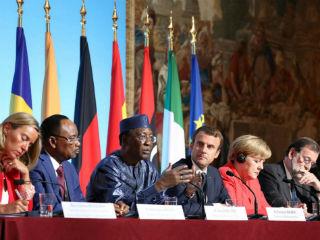
 “We have put in place tangible measures upstream of the migratory flows,” Macron said, referring to the joint declaration that emerged from the summit and which complements the roadmap put on the table by the Commission in the summer. Brussels’ proposal involves extending the EU’s external border by setting up asylum and reception centres in Chad and Niger.

African and European leaders renew efforts to tackle migration

By: EBR | Tuesday, August 29, 2017

African and European leaders gathered in Paris on Monday (28 August) to broach the subject of migration, where support was expressed for moving the EU’s external border into Africa itself, so that asylum applications can be handled locally
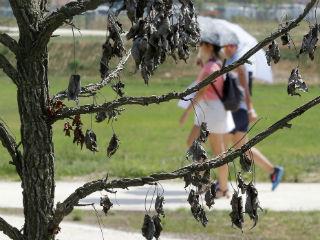
While any further warming comes with dangerous impacts, there is a substantial difference between restraining temperatures to 1.5°C and to 2°C. The former would significantly reduce the damage to our life-support ecosystems. It would halve the risk of species extinction, reduce the risk of severe droughts in Europe and prevent the melting of large areas of permafrost.

Europe’s dramatic summer gives a foretaste of ‘super heatwaves’ to come

By: EBR | Tuesday, August 29, 2017

While Europe is recovering from an unusually warm summer, a new study warns that heatwaves with temperatures of above 40°C are expected to become more frequent, with some regions of Eastern Europe hit by new super heatwaves of above 55°C
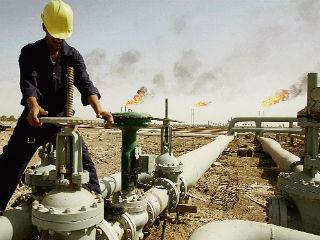
Europe’s reliance on gas imports was highlighted on 17 August, when Russian gas giant Gazprom announced that deliveries to prospective consumers of the Turkish Stream pipeline project were scaled up in the first eight months of the year.

Europe’s reliance on gas imports in spotlight as coal’s decline continues

By: EBR | Wednesday, August 23, 2017

Electricity produced from natural gas has matched power generated from coal in OECD countries. But Europe’s gas self-sufficiency dropped below 50% for the very first time as well
Corporate governance defines how corporations are structured and managed, by whom and for what purpose. As corporations form the fabric of contemporary economies, corporate governance systems are central to the way economies function and are of paramount importance in addressing the complex challenges we face today.

How EU can end corporate short-termism and create sustainable financial system

By: EBR | Wednesday, August 23, 2017

The notion of corporate governance must be revised to protect us from short-term shareholder interests and ensure we make the long-term investments vital to our future
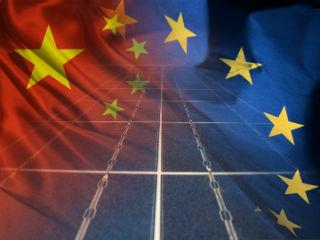
EU business groups point to the persistence of issues such as compulsory local content requirements in key sectors, unfair procurement tendering rules in the absence of China’s membership of the WTO’s Government Procurement Agreement, required disclosure of business-sensitive information to support collaborative projects, and enforced joint venture creation as a precursor to knowledge transfer to domestic Chinese firms who then become competitors.

The EU-China relationship characterised by ineffective political action and lack of trust

By: EBR | Wednesday, August 23, 2017

The EU-China economic relationship appears to be in troubled waters

Future of work and the survival of the welfare state

By: EBR | Thursday, August 17, 2017

More and more people are finding work in the digital economy, but more flexibility also means increased insecurity

Four tips from peacebuilders on working with young people to transform violent extremism

By: EBR | Tuesday, August 8, 2017

If violent extremist groups recognise the power and potential of young people, why don’t those combatting them? Fien De Baere from the organisation Search for Common Ground lays out four tips to help young people avoid violence

Time to bust a few myths about innovation in the Internet of things era

By: EBR | Tuesday, August 8, 2017

Small European tech companies might be about to lose out if the European Commission’s new patent guidelines favour giants like Qualcomm and Ericsson, writes Morgan Reed

Why European passengers pay more for their flights than they should

By: EBR | Tuesday, August 8, 2017

The EU has failed to make airports competitive and fair for travellers. It needs reform, writes Thomas Reynaert

The Commission stressed that drinking milk and fresh fruit and vegetables should be prioritised; however, it noted that member states could also provide juices or soups, and milk products such as yogurt and cheese, to “ensure a varied diet and address particular nutritional needs”.

Commission merges healthy food schemes at school to cut red tape

By: EBR | Thursday, August 3, 2017

The European Commission announced on Tuesday (1 August) that it would merge the milk and fruit and vegetables schemes currently provided separately to schoolchildren across Europe
The need to strengthen EU integration policy, focusing on the areas of security and defense, in a fragile international environment shaped by volatile political relations and unpredictable behaviors (particularly in the Aegean sea and the wider East Mediterranean area), the refugee and migration crisis and deadly terrorist attacks in Europe. The financial and economic immunization of Europe against the effects of Brexit, while creating conditions for long-term sustainable growth to ultimately overcome the consequences of the economic crisis.

EU politicians should lead EU budget talks, not technocrats

By: EBR | Wednesday, August 2, 2017

Europe’s political leadership should be the one to take the lead in consultations and the responsibility to speed up individual political decisions on which technocrats will be called upon to adapt financial tools for their achievement

Diplomatic sources said that Athens did not oppose a new EU common statement; however, it would not accept any statement stating that the EU does not recognise the constituent assembly.

Greece raises concerns about EU stance on Venezuela

By: EBR | Wednesday, August 2, 2017

Exclusive: Diplomatic sources told EURACTIV that Greece raised concerns on Wednesday (2 August) about a new EU statement to be issued following the election of Venezuela’s constituent assembly last Sunday.
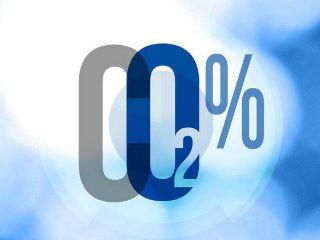
Europe has its strengths in industrial innovation: it has one of best educated workforces in the world; European organisations have been responsible for around a fifth of all clean-tech-related patents in the last fifteen years (the largest share in the world); the EU’s research and development programmes, like Horizon 2020, are some of the best publicly-funded schemes in the world; Europe has an enviable record of setting global regulatory standards.

A real industrial strategy for Europe could unleash the low-carbon innovations we need

By: EBR | Monday, July 24, 2017

Donald Trump’s decision to withdraw the United States from the Paris agreement on climate change provided the backdrop for the 8th Clean Energy Ministerial (CEM), held this year in Beijing
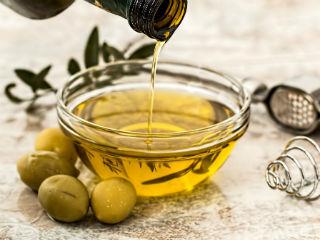
“The value of falsely labelled geographical indication infringing (GII) products in the EU remains high, with the main producers of the original products, such as Germany, Spain, France, Italy and Greece, being the most affected by counterfeit labelled comestibles,” Europol noted, adding that the products most affected were wine, spirits, cheese, meat, fruit, vegetables and cereals. China is the leading producer of counterfeit products while Turkey is also considered an important hub.

Quality schemes help EU producers break new markets

By: EBR | Monday, July 24, 2017

The promotion of geographical indications (GI) has helped EU products attract new emerging markets which seek quality food. However, Europol warns that fake GI products are on the rise across the EU and policymakers should not disregard the protection of intellectual rights
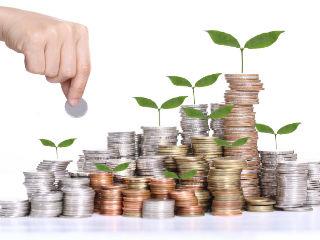
This private money would flow into the EU economy, where it is vitally needed to fund warmer buildings, cheaper lighting, cleaner air and increased energy security for EU citizens – all at no risk to the public authorities. At the same time, it would be helping member states implement the Paris Agreement and meet the 2030 climate and energy goals at least cost.

The vote you’ve never heard of – and why it can change Europe’s investment climate

By: EBR | Monday, July 24, 2017

A revision of the EU accounting rules on the treatment of public-private energy performance contracts would allow massive injections of investment into the EU economy. Yet, there is opposition from some national statistical offices — especially Germany –which have to take a position next week
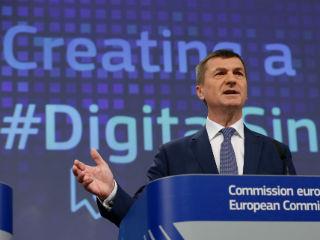
In addition to the certification system, Ansip’s announcements in September will include an updated EU cybersecurity strategy and a new legal basis for ENISA, the bloc’s Athens-based cybersecurity agency. ENISA’s directors have argued for a budget increase so they can hire more staff members and better coordinate how national cybersecurity authorities share information, especially if an urgent attack hits on a weekend or during the night.

Ansip plans new EU cybersecurity centre

By: EBR | Friday, July 21, 2017

EU digital chief Andrus Ansip wants to set up a new office to certify the cybersecurity level of technology products — which would make them more competitive globally — as part of an overhaul of the bloc’s rules in September
In addition to the certification system, Ansip’s announcements in September will include an updated EU cybersecurity strategy and a new legal basis for ENISA, the bloc’s Athens-based cybersecurity agency. ENISA’s directors have argued for a budget increase so they can hire more staff members and better coordinate how national cybersecurity authorities share information, especially if an urgent attack hits on a weekend or during the night.

Ansip plans new EU cybersecurity centre

By: EBR | Friday, July 21, 2017

EU digital chief Andrus Ansip wants to set up a new office to certify the cybersecurity level of technology products — which would make them more competitive globally — as part of an overhaul of the bloc’s rules in September

Still, the ECB is unable to kick the can down the road indefinitely as its asset buys are set to run until the end of the year and policymakers argue that a decision on an extension or a gradual wind down must be taken in September or October.

ECB keeps easy money pledge despite better growth

By: EBR | Friday, July 21, 2017

The European Central Bank left its ultra easy monetary policy stance unchanged as expected on Thursday (20 July), keeping rates at record lows and even leaving the door open to more asset buys if the outlook worsens
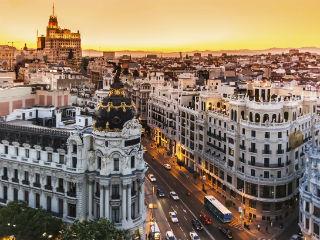
For a city that grows every year the procurement of housing alone poses a challenge. Our financial resources are limited. The coffers of German local authorities are not plentiful, and this applies in particular to Cologne. We need billions of euros to invest in the creation of housing and other infrastructure to keep up with our growing population, but we do not command the necessary financial resources.

Cities can create European solidarity and trust between residents and refugees

By: EBR | Thursday, July 20, 2017

At the end of 2015 the number of refugees worldwide stood at 65 million. There has never been more

Pages: Previous Next

EU Actually

Only President Antonio Costa believes in a deal in his EU Council before Christmas

N. Peter KramerBy: N. Peter Kramer

In his weekly column N. Peter Kramer writes that EU member states are deeply divided over the EU’s next seven-year budget. Do we know more after the EU Council on Thursday?

Europe

The EU’s Middle-Power Puzzle

The EU’s Middle-Power Puzzle

While the EU and European governments are embracing the much-lauded middle-power moment, this entails three difficult conundrums

Business

Businesscraft: Japan’s Quiet Discipline for a Fractured World

Businesscraft: Japan’s Quiet Discipline for a Fractured World

For almost thirty years after the end of the Cold War, geopolitics stayed away from the corporate boardroom. Geopolitical considerations belonged to the foreign ministry or to a dedicated risk committee back at headquarters, and rarely crossed a CEO’s desk.

MARKET INDICES

Powered by Investing.com
All contents © Copyright EMG Strategic Consulting Ltd. 1997-2026. All Rights Reserved   |   Home Page  |   Disclaimer  |   Website by Theratron

