Edition: International | Greek
MENU

Home » EU Actually

Is EU reform possible?

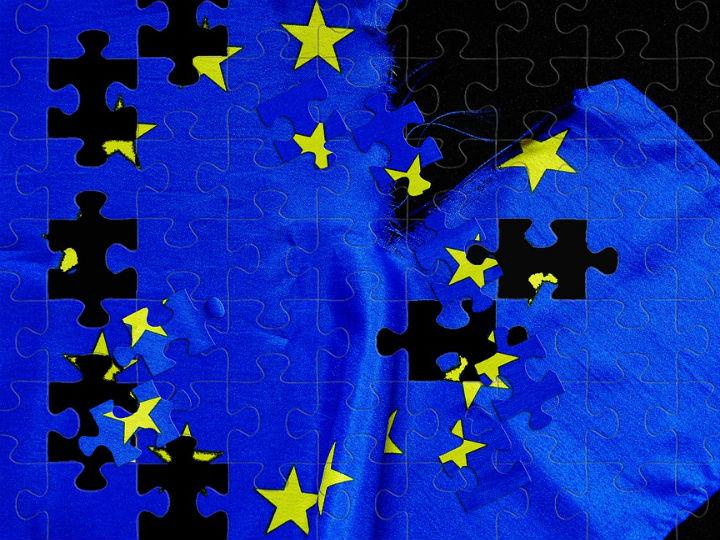
Germany remains the most important memberstate in the debate about EU’s future, and the outline of an Anglo-German bargain on EU reform is emerging.

By: EBR - Posted: Wednesday, February 26, 2014

Cameron didn’t have much success during his meeting with the French President two weeks ago, although they had a good time together in a traditional English pub. But the socialist Francois Hollande staid neutral on the subject of returning powers to the EU capitals.

by N. Peter Kramer

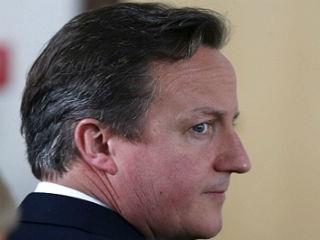
Chancellor Angela Merkel has soon an appointment with her colleague David Cameron that might be determining. The UK position is quite clear. But what about the German side? CDU/CSU, Merkel’s parties, are expected to propose before the European elections in May, that it should be possible to return powers from ‘Brussels’ to national governments. Germany and the UK are already among the most vocal advocates of reforming rules on EU migrants’ access to state welfare. Crucially, Germany’s desire to put further Eurozone integration on a sounder constitutional footing and enforce economic supervision on other Eurozone economies could also present David Cameron with his best chance of securing an EU Treaty change. We have already seen that Germany showed some sympathy to UK concerns about the Eurozone writing the rules for all member states.

However, the presence of the SPD in Germany’s Grand Coalition has made matters more complicated and potentially limits how far Merkel is able to go. This makes it all the more important that the UK wins support for its reform agenda in as many like-minded countries as possible, allowing Merkel the cover she needs to back it. Cameron didn’t have much success during his meeting with the French President two weeks ago, although they had a good time together in a traditional English pub. But the socialist Francois Hollande staid neutral on the subject of returning powers to the EU capitals.

An ally of Cameron is the Dutch government. The foreign minister Frans Timmermans repeated recently the slogan: European if necessary, national if possible! But a weak spot is the Prime Minister of the Netherlands, Mark Rutte, who backed the Dutch critical approach of ‘Brussels’ but on the other hand is a strong supporter of his liberal friend Guy Verhofstadt: the most Eurofederalist of all Eurofederalists.

READ ALSO

EU Actually

European Parliament challenges member-states with an additional budget increase of 10 percent

N. Peter KramerBy: N. Peter Kramer

In his weekly column, N. Peter Kramer writes how the EP opposes Commission’s proposal to cut back on traditional programmes such as agriculture and cohesion

Europe

The EU–India Deal Is Done. Africa Must Be Next

The EU–India Deal Is Done. Africa Must Be Next

The EU-India FTA deal showed Brussels can move when the stakes are high; Africa is the real test of whether Europe can protect its economic security in a more fractured world.

Business

Where Romania can build excellence: the sources of future competitiveness

Where Romania can build excellence: the sources of future competitiveness

Romania has been, for most of its recent history, a story of potential deferred. The standard account of Romanian competitiveness, to the extent one exists in international business literature, is a cost story: cheap labor, low corporate taxes, a large domestic market for Central and Eastern European standards.

MARKET INDICES

Powered by Investing.com
All contents © Copyright EMG Strategic Consulting Ltd. 1997-2026. All Rights Reserved   |   Home Page  |   Disclaimer  |   Website by Theratron