


N. Peter Kramer’s Weekly Column
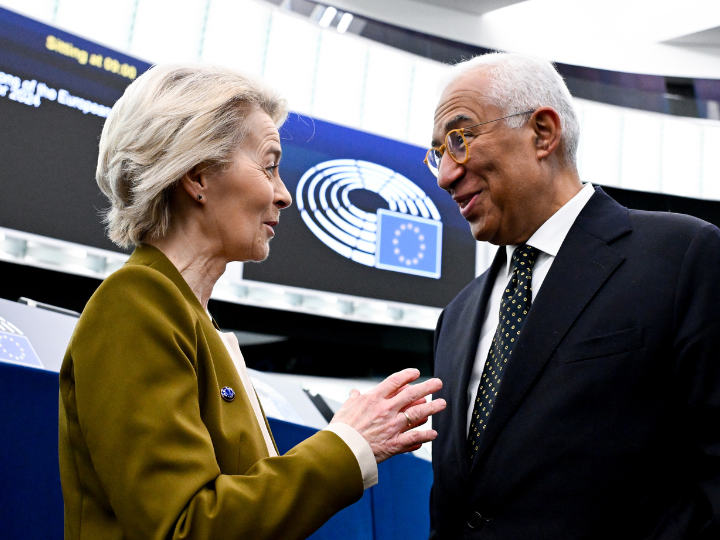
The Irish presidency of the EU Council, which is steering the talks about the EU’s next seven-year budget (2028-34), cuts €159 billion from the European Commission proposal (‘negotiating box’). The Council President, Antonio Costa, welcomed the Irish ‘commitment and efforts to advance work’. But the group of the EU net contributors -including Germany, Austria, the Netherlands, Finland, Sweden and Denmark- rejected the Irish proposal and underlined their long-standing demand for several hundred billion euros in cuts to the Commission’s almost €2 trillion budget blueprint as a condition for a deal: ‘Any negotiation box would need to set out an overall volume that can realistically be financed by those who carry the main financial burden’. Their letter also mentions that the Irish text still represents a ‘wildly unaffordable increase’ compared to the current long-term budget’.
This sharply contrasts with the demands of a group of 17 southern and eastern EU member states, receiving (substantially) more EU euros than they contribute. This group dares even to advocate a bigger budget for cohesion and agriculture whilst the six net-contributors definitely want to cut these.
The Commission also has come out strongly against Ireland’s proposed cuts to the next seven-year budget:’ It would make the EU less equipped to deal with future crises, ‘we will have no ways left to help farmers and regions when crises hit because of climate change or geopolitical tensions’.
The different approaches set the scene for the EU Council meeting on Thursday. Its President, Antonio Costa, aims to secure a deal before the end of this year, ahead of a string of elections across the EU. But, for instance, Austria is shrugging off growing political pressure to trash out a deal. ‘Quality must take precedence over speed’, the Austrian EU affairs minister Claudia Bauer told Rapporteur.

