


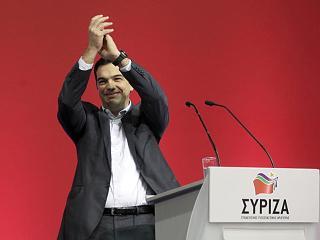
The leftist party Syriza became the irrefutable winner of the Greek parliamentarian elections although opinion polls inaccurately as it turned out indicated till the last moment a neck-and-neck race with the conservative opposition party New Democracy (ND).
35% of the Greek voters let it be known that Syriza’s leader, Alexis Tsipras, had to stay in power and endorsed his decision to agree with a harsh bailout agreement, after being crushed by the other Eurozone leaders under the command of German Schauble. It was a U-turn after promising to end the austerity politics of the EU and the IMF, but Tsipras heard also that the Greek people wanted to stay in the Euro-zone. In ballet terms, there was a real ‘split’, an untenable position.
A ‘waterboarded’ Tsipras signed the deal. He explained later that by making this choice he was placing the interests of his country above those of his party. Risks of national bankruptcy and being thrown out the Eurozone were too big. Thanks to the conservative opposition, New Democracy, Tsipras was able to find a majority in the Greek parliament for the deal with the Eurogroup.
A group of Syriza hard liners, who voted against, started their own party, urging Tsipras to ask for new elections, in the hope of forging a new power base. He gambled his opponents said, and predicted his fall: the elections would show a fall of the Syriza leader as profound as was his victory in January of this year! But Greek voters decided differently from conservatives’ hopes and opinion polls predictions. Syriza kept its ground and left the New Democrats behind with a clear margin. The dissidents who left Syriza were unable to take possession of a single seat in the parliament.
In the meantime Syriza leader Tsipras is being sworn in as prime minister after he renewed the cooperation with right-wing Independent Greeks. Hard times lie ahead for the new government. Is it prepared to tackle the reforms Greece needs: deregulation, liberalisation of the economy, a stop to clientelism? ‘Brussels’ is waiting, no reforms no money!

