Edition: International | Greek
MENU

Home » Europe

No deal for Britain is better than a bad deal for Britain

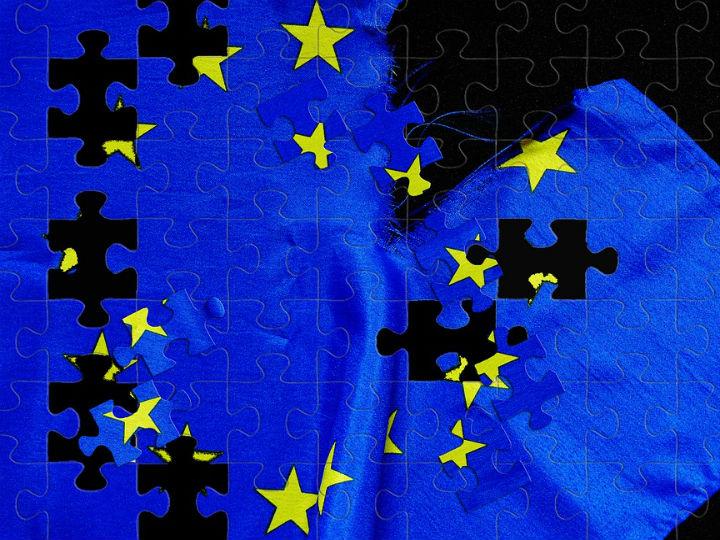
'May to EU: give us a fair deal or you'll be crushed', was the opening of The Times on the day after UK Prime Minister Theresa May's Lancaster House speech on Tuesday 17 January

By: N. Peter Kramer - Posted: Wednesday, January 18, 2017

Britain will forgo membership of the EU Single Market and Customs Union (Common External Tariff and Common Commercial Policy) and end the jurisdiction of the European Court of Justice. The virtue of Mrs May’s strategy is that it should prevent the EU from continuing to hamstring Britain during negotiations after Brexit is final. Leaving both the single market and the customs union is the only way London can regain the ability to negotiate its own trade deals with the US, Canada and Australia. Those and other countries have tried and failed, or only barely succeeded, to conclude trade pacts with the EU.

by N. Peter Kramer

The British have been consumed since they voted to leave the EU last year with whether Brexit should be 'hard' or 'soft'. The Prime Minister all but ended that debate by saying Brexit will above all be a clean and honest break from the EU, and she is smart to do so.

Prime Minister May set out four key themes upon with negotiations would be based: 'certainty and clarity', 'a stronger Britain', a fairer Britain' and 'a truly global Britain'.

Britain will forgo membership of the EU Single Market and Customs Union (Common External Tariff and Common Commercial Policy) and end the jurisdiction of the European Court of Justice. The virtue of Mrs May's strategy is that it should prevent the EU from continuing to hamstring Britain during negotiations after Brexit is final. Leaving both the single market and the customs union is the only way London can regain the ability to negotiate its own trade deals with the US, Canada and Australia. Those and other countries have tried and failed, or only barely succeeded, to conclude trade pacts with the EU.

President-elect Donald Trump said recently in an interview with The Times that the US would be willing to start talks soon over a bilateral trade deal with Britain. The prospect of a US-British deal might also be useful as leverage with the EU. Some EU voices continue to sound as if they want to punish Britain as a lesson to other countries that might consider leaving. The lure of the common market was their best card. Mrs May has taken that off the table before they could play it.

She also warned in her speech that a punitive EU deal for Britain would be an act of 'calamitous self-harm' for the continent. In that case, Britain would be forced to change the basis of its economical model without a free trade deal, she said, echoing the UK chancellor's warning last week, that Britain would pursue an aggressive low-tax policy to lure business from the continent, if it was frozen out of EU markets.

'No deal for Britain is better than a bad deal for Britain', was the conclusion of Prime Minister May.
READ ALSO

EU Actually

Only President Antonio Costa believes in a deal in his EU Council before Christmas

N. Peter KramerBy: N. Peter Kramer

In his weekly column N. Peter Kramer writes that EU member states are deeply divided over the EU’s next seven-year budget. Do we know more after the EU Council on Thursday?

Europe

The EU’s Middle-Power Puzzle

The EU’s Middle-Power Puzzle

While the EU and European governments are embracing the much-lauded middle-power moment, this entails three difficult conundrums

Business

Businesscraft: Japan’s Quiet Discipline for a Fractured World

Businesscraft: Japan’s Quiet Discipline for a Fractured World

For almost thirty years after the end of the Cold War, geopolitics stayed away from the corporate boardroom. Geopolitical considerations belonged to the foreign ministry or to a dedicated risk committee back at headquarters, and rarely crossed a CEO’s desk.

MARKET INDICES

Powered by Investing.com
All contents © Copyright EMG Strategic Consulting Ltd. 1997-2026. All Rights Reserved   |   Home Page  |   Disclaimer  |   Website by Theratron