Edition: International | Greek
MENU

Home » Europe

EU finally seals ban on single-use plastics by 2021

Parliament approved a new law on Wednesday, banning throwaway plastics such as cotton bud sticks, cutlery, straws, stirrers and plates

By: EBR - Posted: Friday, March 29, 2019

EU member states will also have new recycling targets with increased responsibility for producers. The collection target for plastic bottles will have to be 90 per cent achieved by 2029, plastic bottles will have to contain at least 25 per cent recycled content by 2025 and 30 per cent by 2030.The European Parliament argues that the agreement will strengthen the application of the “polluter pays” principle by introducing extended responsibility for producers to ensure that manufacturers bear the costs. This regime will apply, in particular, to tobacco and to fishing gear, ensuring that manufacturers bear the cost of collecting nets lost at sea.

By Camilla Watkiss

Parliament approved a new law on Wednesday, banning throwaway plastics such as cotton bud sticks, cutlery, straws, stirrers and plates.

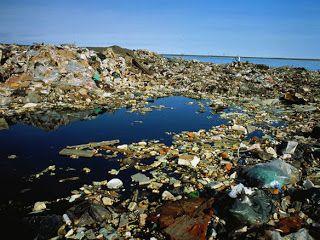
According to the European Commission, more than 80 per cent of marine litter is plastics. Plastic residue is found in many marine species such as fish and shell fish and thus is present in the human food chain.

The new law banning single-use plastics will come into force across all EU member states by 2021 and will help to reduce the plastic waste that currently pollutes our oceans and beaches.

560 MEPs voted in favour of the agreement with EU ministers, 35 voted against and 28 abstained. The directive will also ban plastic balloon sticks, single-use polystyrene cups and those made from oxo-degradable plastics (plastics that fragment into tiny pieces).

EU member states will also have new recycling targets with increased responsibility for producers. The collection target for plastic bottles will have to be 90 per cent achieved by 2029, plastic bottles will have to contain at least 25 per cent recycled content by 2025 and 30 per cent by 2030.

The European Parliament argues that the agreement will strengthen the application of the “polluter pays” principle by introducing extended responsibility for producers to ensure that manufacturers bear the costs. This regime will apply, in particular, to tobacco and to fishing gear, ensuring that manufacturers bear the cost of collecting nets lost at sea.

New EU legislation will also make it mandatory for packaging to warn consumers of the environmental damage they will do by disposing of certain items incorrectly. This labelling will appear on cigarettes, plastic cups, wet wipes and sanitary napkins which should help to tackle the “fatbergs” that have been clogging sewers.

Lead MEP, Frederique Ries, said “This legislation will reduce the environmental damage bill by €22 billion - the estimated cost of plastic pollution in Europe until 2030. Europe now has a legislative model to defend and promote at international level, given the global nature of the issue of marine pollution involving plastics. This is essential for the planet.”

*First published in climateaction.org

READ ALSO

EU Actually

Only President Antonio Costa believes in a deal in his EU Council before Christmas

N. Peter KramerBy: N. Peter Kramer

In his weekly column N. Peter Kramer writes that EU member states are deeply divided over the EU’s next seven-year budget. Do we know more after the EU Council on Thursday?

Europe

The EU’s Middle-Power Puzzle

The EU’s Middle-Power Puzzle

While the EU and European governments are embracing the much-lauded middle-power moment, this entails three difficult conundrums

Business

Businesscraft: Japan’s Quiet Discipline for a Fractured World

Businesscraft: Japan’s Quiet Discipline for a Fractured World

For almost thirty years after the end of the Cold War, geopolitics stayed away from the corporate boardroom. Geopolitical considerations belonged to the foreign ministry or to a dedicated risk committee back at headquarters, and rarely crossed a CEO’s desk.

MARKET INDICES

Powered by Investing.com
All contents © Copyright EMG Strategic Consulting Ltd. 1997-2026. All Rights Reserved   |   Home Page  |   Disclaimer  |   Website by Theratron

