Edition: International | Greek
MENU

Home » World

International Powers Call for Cease-Fire in Libya’s Long Civil War

After a Berlin meeting, Russia, Turkey and other countries pledged to end their interference in the North African nation to make way for peace efforts

By: EBR - Posted: Monday, January 20, 2020

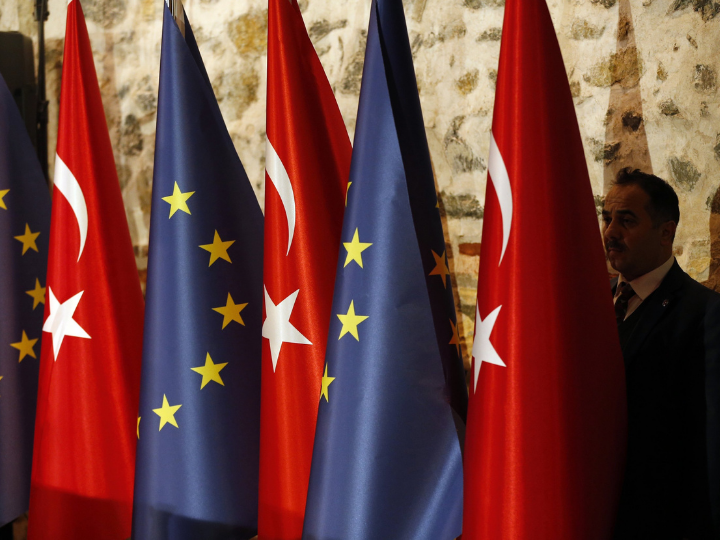
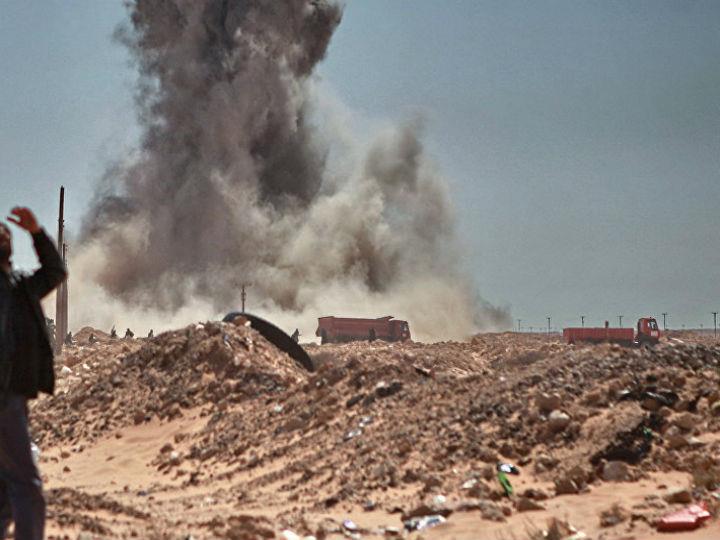
Berlin — Russia, Turkey and a dozen other international powers with competing interests in oil-rich Libya called Sunday for a cease-fire and an arms embargo, committing to end their own interference on the ground to give Libyans space for a political reconciliation.

by Katrin Bennhold and Melissa Eddy* 

Berlin — Russia, Turkey and a dozen other international powers with competing interests in oil-rich Libya called Sunday for a cease-fire and an arms embargo, committing to end their own interference on the ground to give Libyans space for a political reconciliation.

Sunday’s gathering, hosted by Chancellor Angela Merkel of Germany, offered a small glimmer of hope in the North African nation’s protracted civil war, which has been further complicated recently by an escalating proxy war between Turkey and Russia. Both President Vladimir V. Putin of Russia and President Recep Tayyip Erdogan of Turkey, whose countries have mercenaries on the ground, attended the meeting.

But the leaders of Libya’s two warring factions — the embattled head of the United Nations-backed government and a former Libyan army general who is laying siege to the capital — refused to even spend time in the same room. Ms. Merkel said the international participants spoke only individually to the two Libyan leaders, who were not at the conference table but were kept informed of developments throughout the day.

“We all agreed that we need a political solution,” Ms. Merkel said. “Recent days have shown that there is no chance for a military solution.”

*correspondent for The New York Times since 2004 and correspondent based in Berlin who covers German politics, social issues and culture for The New York Times
**first published in: www.nytimes.com

READ ALSO

EU Actually

It is high time to rein in AI

N. Peter KramerBy: N. Peter Kramer

In his weekly column N. Peter Kramer writes about the global discussion about Artificial Intelligence, the need for quick regulation, and points to international treaties from the 20th century.

Europe

EU Fails to Learn the Lessons from Ceuta

EU Fails to Learn the Lessons from Ceuta

The aftermath of the Ceuta crisis shows Europe has drawn the wrong lessons. Rather than doubling down on failed migration policies, the EU needs to address the underlying roots of such episodes.

Business

Businesscraft: Japan’s Quiet Discipline for a Fractured World

Businesscraft: Japan’s Quiet Discipline for a Fractured World

For almost thirty years after the end of the Cold War, geopolitics stayed away from the corporate boardroom. Geopolitical considerations belonged to the foreign ministry or to a dedicated risk committee back at headquarters, and rarely crossed a CEO’s desk.

MARKET INDICES

Powered by Investing.com
All contents © Copyright EMG Strategic Consulting Ltd. 1997-2026. All Rights Reserved   |   Home Page  |   Disclaimer  |   Website by Theratron