Edition: International | Greek
MENU

Home » EU Actually

The not so united EU in the time of Corona

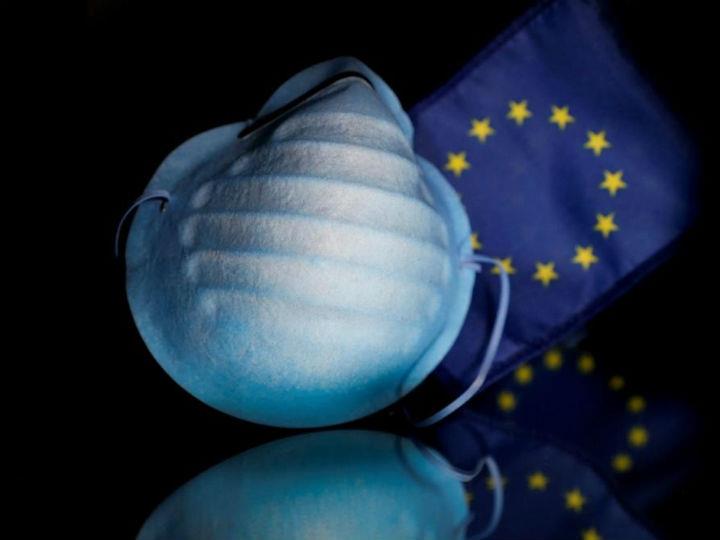
The pandemic has hit Italy the hardest in the EU. The country should be able to rely on other member states for help; isn’t solidarity, after all, what the EU preaches?

By: N. Peter Kramer - Posted: Thursday, March 19, 2020

EU finance ministers have in the meantime agreed to exempt public spending including stimulus measures related to dealing with coronavirus from the strict EU governments spending rules.

by N. Peter Kramer

The pandemic has hit Italy the hardest in the EU. The country should be able to rely on other member states for help; isn’t solidarity, after all, what the EU preaches? But when Italy asked for emergency medical supplies last week, the call went unheeded. It was China who, unexpectedly, responded with an offer of critical medical equipment. Italy’s plight became a disgraceful test of EU solidarity.

Among EU memberstates unilateralism (don’t use the N-word!) is increasing. That is not new. In this extra-ordinary time of a life-threatening virus, individual EU-countries are going their own way on border controls, the policing of events, school closures, assistance to businesses and lock downs. Even Angela Merkel, who in 2015 opened her country’s borders for more than a million refugees, rushed to seal the same borders last Sunday. In a rare televised speech, she told her German compatriots to ‘acting together in solidarity’.

Finally, on Tuesday, EU leaders, in a tele-Council meeting, confirmed the Commission’s proposed closure of the EU’s external and Schengen borders for at least 30 days as they continued struggling to come up with a unified response to the coronavirus outbreak. It means that each memberstate can go further on its own way with loans and loan-guarantees, providing government financing for disrupted businesses, measures to support companies ranging from tax exemptions to having up to 90% of wages paid by the government.

And the Commission? It will scrap payments national governments are due to make to ‘Brussels’. And will quickly implement tens of billions of euros worth of unused funds! EU finance ministers have in the meantime agreed to exempt public spending including stimulus measures related to dealing with coronavirus from the strict EU governments spending rules.

It seems that the necessity knows no rules but borders. And euros, of course.

READ ALSO

EU Actually

European Parliament challenges member-states with an additional budget increase of 10 percent

N. Peter KramerBy: N. Peter Kramer

In his weekly column, N. Peter Kramer writes how the EP opposes Commission’s proposal to cut back on traditional programmes such as agriculture and cohesion

Europe

The EU–India Deal Is Done. Africa Must Be Next

The EU–India Deal Is Done. Africa Must Be Next

The EU-India FTA deal showed Brussels can move when the stakes are high; Africa is the real test of whether Europe can protect its economic security in a more fractured world.

Business

Where Romania can build excellence: the sources of future competitiveness

Where Romania can build excellence: the sources of future competitiveness

Romania has been, for most of its recent history, a story of potential deferred. The standard account of Romanian competitiveness, to the extent one exists in international business literature, is a cost story: cheap labor, low corporate taxes, a large domestic market for Central and Eastern European standards.

MARKET INDICES

Powered by Investing.com
All contents © Copyright EMG Strategic Consulting Ltd. 1997-2026. All Rights Reserved   |   Home Page  |   Disclaimer  |   Website by Theratron
