by N. Peter Kramer
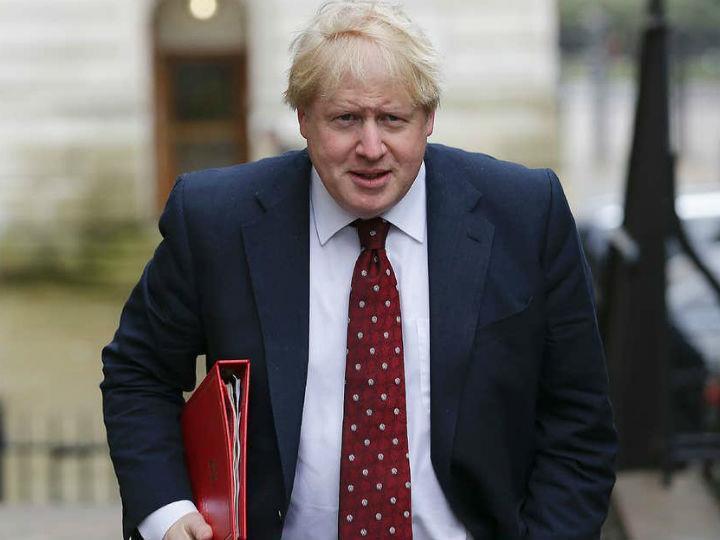
Boris Johnson is to take personal charge of Brexit negotiations on his return to work. The prime minister will be advised by David Frost, his chief negotiator, that after deadlocked talks last week it is time to inject fresh ‘political impetus’ into the process. Expected is that Downing Street will focus on finding new ways to ‘inject energy’ and to ‘short circuit’ rigid formal negotiations that are running out of time. Without mentioning a name, the UK is referring to EU chief negotiator Michel Barnier, nick named the ‘EU Demander-in-chief’. He is famous for telling what the EU ‘demands’ are and is disappointed when the other side of the table doesn’t give in to him.
The UK prime minister is expected to open lines of communication with Ursula von der Leyen, President of the European Commission and tell her that ‘the EU’s mandate is clearly not a realistic solution’. There is particular frustration that the EU is demanding unprecedented ‘level playing field’ structures as a way to force Britain to align with regulations made in ‘Brussels’ and allow an oversight role for the European Court of Justice, a 100% EU institution.
UK Cabinet minister Michael Grove, who leads the preparations for a no-deal end to the Brexit transition period, spoke this week in the House of Commons Brexit committee. He said that it is ‘entirely possible’ the negotiations on the UK-EU future relationship will conclude by December 31. An extension to the Brexit transition -repeatedly ruled out by the UK- would postpone a deal and would require the UK to pay money into the EU’s next budget. ‘We are not asking for anything bespoke or new or tailor-made. We are asking simply for a series of ‘off-the-peg’ arrangements with replicate what the EU has already with other countries’.
In the meantime, Barnier has a new demand. He requested the UK to allow the EU to set up a permanent mission in Northern Ireland to police the Irish backstop deal. Gove told the MP’s, ‘Of course it is the case that the EU has the right to monitor the operation of what UK officials are doing, but there is no need for an EU embassy in Belfast’.
The Chinese virus pandemonium has changed the economic and financial situation and perspectives in the UK and in the EU. May be after July 1, when Germany takes over the presidency of the EU, this will get through to the rigid EU negotiators.