Russia’s finance ministry said on Monday (3 August) it would scrap an agreement with Cyprus aimed at avoiding double taxation after talks to modify the deal failed, a decision that surprised Cyprus, which said talks were still under way.
Russia suggested the move could encourage Russian businesses registered on the island to transfer soon-to-be unprofitable holding structures back home. Any significant exodus would be a blow for the Cypriot economy.
The Mediterranean island, with its light regulation, use of English law and double taxation treaty with Moscow, has been an important destination for Russian entrepreneurs and firms.
But with Russia’s economy bruised by low oil prices and the COVID-19 pandemic, President Vladimir Putin in March proposed a 15% tax on all interest and dividend payments leaving Russia to combat capital outflows, to start from 1 January 2021.
At the time, he warned that Russia would unilaterally withdraw from agreements with foreign partners who did not accept its suggestions.
In a statement on Monday, Deputy Finance Minister Alexei Sazanov said talks with Cyprus on changing the agreement in line with Putin’s request had failed and that Moscow would start the process of withdrawing from the double taxation pact.
“Restructuring one’s holding structures through Cyprus will of course become disadvantageous. It will be more advantageous to transfer everything back to Russia,” Sazanov said.
Russia was working on improving its legislative framework to facilitate the transfer of holdings to Russia, he added.
Businesses now face a difficult task, said Irina Bykhovskaya, a partner at Ernst & Young in Moscow, with the changes requiring a completely different approach to calculating profits and making payments by 1 January.
Cypriot officials, caught unawares by the Russian statement, later said talks were continuing.
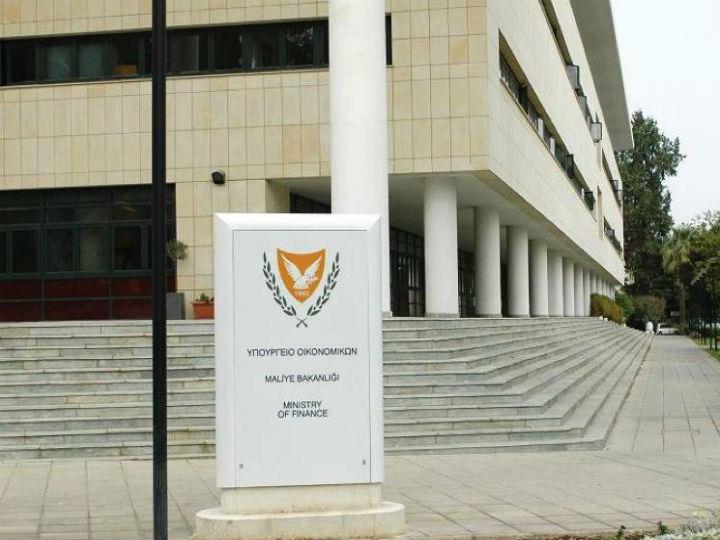
“The Ministry of Finance states that the final round of negotiations has been scheduled for the 10th and 11th of this month,” an announcement from the Cypriot ministry said. It said talks would be led by Constantinos Petrides, the Cypriot finance minister.
A senior Cypriot official earlier told Reuters the move had caught the government by surprise as it had thought the provisions Moscow wished to change in the deal were still under discussion.
Cyprus had expected any conclusion to be finalised in early September, when Russian Foreign Minister Sergei Lavrov is due to visit, the official said.
“We have set some positions and we are seeking continuity of contacts and agreement, since we did not formally agree on a shipwreck,” said another Cypriot source familiar with the discussions.
*first published in: www.euractiv.com
 By: N. Peter Kramer