by N. Peter Kramer
Is it legally correct that shortly before the presidential elections in 2016 the Republican majority in the US Senate blocked the nomination for an Associate Justice by Democratic President Obama? And 4 years later the Republican majority in the Senate impose the nomination for an Associate Justice by Republican President Trump? The answer is Yes; a majority in the Senate has the right to do so, in both cases. Democrats know that, and, let us be honest, would do the same. That is the reason, Democratic senators are now looking for a way out because they cannot stop the process.
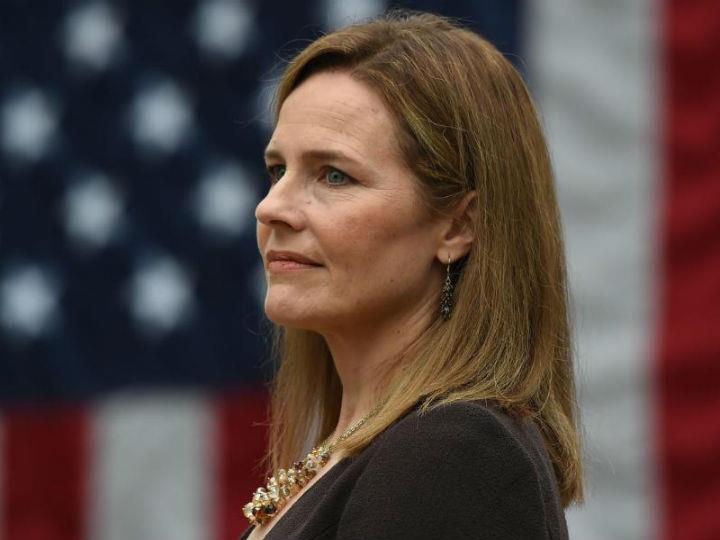
Last month President Donald Trump nominated conservative judge Amy Coney Barrett to succeed the late Ruth Bader Ginsburg, a progressive icon. Barrett’s appointment would significantly tilt the ideological balance of the US Supreme Court towards the conservative side, with six conservative justices versus here progressives. Nominating conservative justices to the Supreme Court was, by the way, a major election promise from Trump. After a few days of hearings in the US Senate Justice Committee over the nomination of Barrett, Trump is urging the Senate to move quickly towards her nomination.
The President suspects that a ninth Associate Justice will be necessary in the event of a questionable or unclear presidential election result. ‘I think this (election result) will go to the Supreme Court’, said the President at the White House two days before nominating Barrett, ‘and I think in that case it is important to have nine justices in that court. Four against four is not a good situation’.
During the hearings, Democratic senators, not able to stop the nomination of Amy Coney Barrett, asked her to promise in advance that she will step aside if the result of the November 3 presidential election reaches the Supreme Court. She declined to promise so. However, simply assuming that a lifelong justice will remain loyal to the President who nominated him or her is dangerous. Neil Gorsuch, the first justice to be nominated by Trump, defended equal rights in the workplace for LGBT people.