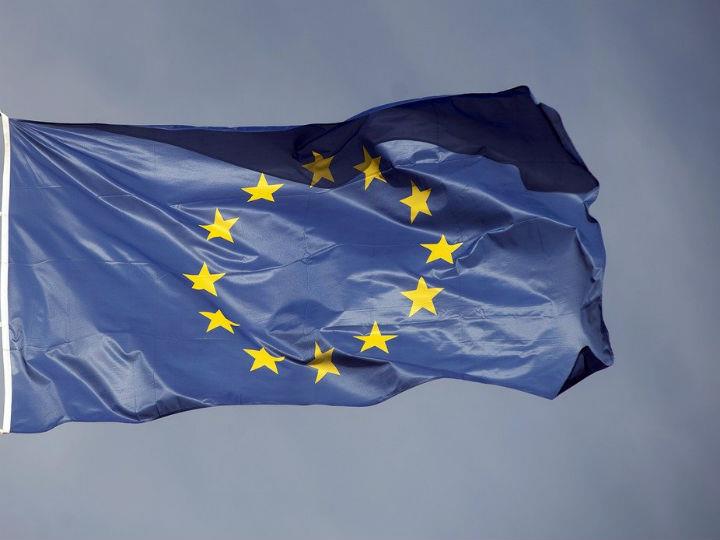
Parliament aims to enhance democracy and enable full participation in the European political space, based on lessons from the 2019 European elections.
On Thursday, the European Parliament adopted with 468 votes to 194 against and 34 abstentions a resolution that draws conclusions from the May 2019 European Elections.
A stronger electoral process
MEPs welcome the higher turnout, especially among young voters, which demonstrates that the negative trend in turnout in Europe can be reversed. They also welcome the improved gender balance (41% women MEPs, up from 37%), but highlight the persistent disparities among member states, which could be addressed through “zipped” lists or similar methods. Minorities (Roma people in particular) are underrepresented, citizens with disabilities are excluded due to a lack of accessible voting centres (an estimated 800,000 in 2019), and those who are homeless and prisoners face obstacles in exercising their right to vote, Parliament criticises.
Interference by foreign and internal actors is also a matter of concern, for which the Council and the Commission should engage with Parliament’s Special Committee on Foreign Interference in all Democratic Processes in the EU (INGE), which took up its work in September. MEPs ask for a ban on campaign funding from foreign bodies, scrutiny of social media platforms’ algorithms, as well as education and awareness-raising efforts.
Enhancing the European dimension of EU elections
Acknowledging that 2019’s Spitzenkandidaten process failed because it was not improved after 2014 and voter awareness was lacking, Parliament insists that all voters should be allowed to vote for their preferred candidate for Commission President, pointing out that currently nothing prevents European parties and movements from putting forward a joint programme and a single coalition lead candidate.
Potential reforms should be considered ahead of the 2024 elections, such as remote voting in specific circumstances, lowering the minimum voting age to 16, common admission, campaigning and funding rules, and the establishment of a European Electoral Authority. The upcoming Conference on the Future of Europe could examine these topics and others, say MEPs, such as transnational lists that would increase the visibility of European political parties and movements, the establishment of collective responsibility for the Commission and the transformation of the Council into a second EU legislative chamber, building on the momentum of youth participation.
Quote
The rapporteur Pascal Durand (Renew Europe, FR) said: “Parliament’s strong suggestions in this resolution, like the call for the gender balance rules that we are still lacking, and for transnational lists to transform the European elections into a single European election, need to be taken into serious consideration by the member states. We expect that they will be focal points for the Conference on the Future of Europe too. It is high time that we tackle existing challenges and prepare for future ones by abandoning outdated attitudes and embracing the European dimension of our politics”.
Background
The 2018 electoral law reform that aimed to enhance the European dimension of the elections has not yet been ratified by all member states. European elections are conducted according to national rules that must be in line with the 1976 European Electoral Act. Nonetheless, turnout in 2019 (50.66%) was the highest since 1994 (56.67%).
 By: N. Peter Kramer