Some of Europe’s largest industry groups have asked European Union lawmakers to change their position on the bloc’s planned carbon border policy, in a last-minute lobbying push ahead of a vote on Tuesday (9 March), emails seen by Reuters show.
The European Parliament is set to vote on a report covering the EU’s plan to impose carbon costs on imports of polluting goods. The report aims to influence the European Commission’s eagerly awaited proposal for the policy due in June.
By putting a price on the emissions of imported goods, Brussels hopes to protect European industry from competitors in countries with lax climate policies, and avoid firms leaving Europe to avoid CO2 costs – known as “carbon leakage”.
Some industry groups are unhappy with the EU assembly’s position, which its environment committee approved last month.
Groups including steel group Eurofer, chemicals association CEFIC, cement association Cembureau and Fertilizers Europe signed an email last week which asked lawmakers to rethink the proposal.
The flashpoint is the EU carbon market. The EU currently gives industry free CO2 permits to comply with the carbon market, allowing companies to emit a certain amount for free, to protect them from carbon leakage.
Parliament’s report said when the carbon border levy is applied to a sector, that sector’s free permits should be phased out, to put European and foreign firms on a level footing. This would “avoid double protection for EU installations”, the report said.
In their March 4 email, the industry groups said they were concerned by the parliament’s proposal, and asked lawmakers to support changes that “address these concerns”.
A carbon border policy should “co-exist with the current system of free allocation,” they said.
A Eurofer spokesman said keeping both measures “would not lead to double protection” because existing carbon leakage protections “are already partial and digressive”. Europe’s steel sector faced carbon costs totalling €1.5 billion in 2018, he said.
Manufacturing associations group AEGIS Europe also emailed lawmakers, seeking “significant changes” to parliament’s report. Parliament should promote carbon border measures “completing, not replacing” existing carbon leakage protections, it said.
Carbon border measures “cannot automatically and fully compensate for the loss of other EU measures intended to counteract carbon leakage,” AEGIS Europe Chair Ines Van Lierde told Reuters in emailed comments.
EU carbon prices have risen to record highs this year, with further rises expected as Brussels tightens climate policies. Free allowances have partly shielded industry from carbon costs in recent years, but EU auditors say this has undermined efforts to curb industry emissions, which have barely fallen since 2013.
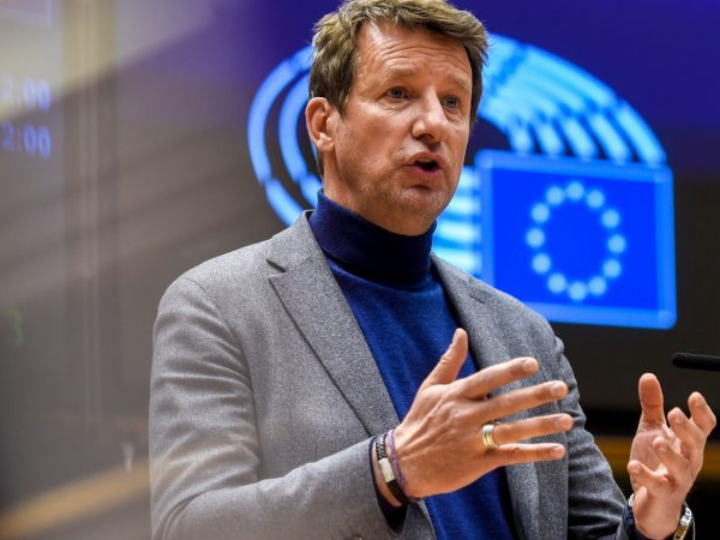
Yannick Jadot, parliament’s lead lawmaker on the carbon border policy, said ending free allowances once the border levy is introduced is “imperative to comply with World Trade Organisation rules that exclude double protection”.
EU officials said the result of Tuesday’s vote was uncertain, with some parliamentary groups split on the issue or yet to take a position.
*first published in: www.euractiv.com
 By: N. Peter Kramer