by Sarantis Michalopoulos
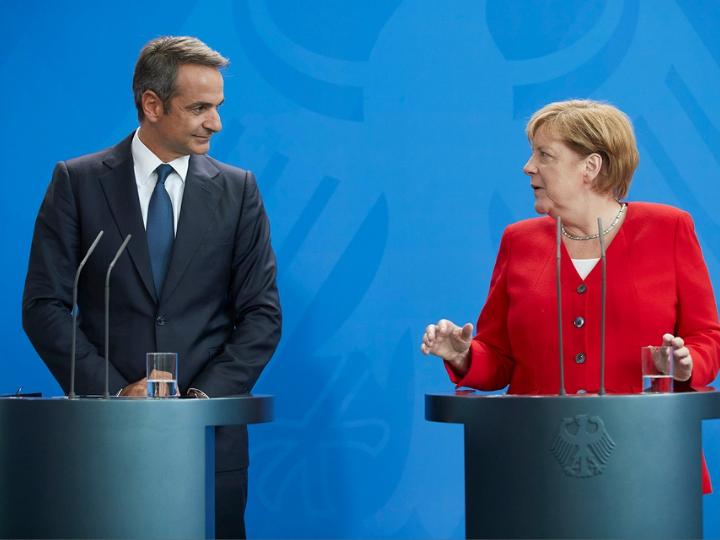
When Greek Prime Minister Kyriakos Mitsotakis first proposed to have a European vaccination certificate a few months ago, to facilitate life and travel across the continent, the first EU reactions – especially from Germany and France – were dismissive and even ironic.
Some said it was too early to discuss the topic considering that the general population does not have access yet to vaccines; others cautioned that the vaccines’ effectiveness against new mutations was still not known and so on.
Fast-forward a few weeks and the climate has changed completely. On 17 March, the European Commission will make a legislative proposal for the so-called “Green pass”, following a mandate to do so by the EU leaders.
In Athens, which depends heavily on summer tourism, they knew the technical part would be too complex for the current EU decision-making structure to move quickly. So, they raised the issue relatively early.
The timing of the proposal had as a primary objective to avoid a repetition of the fiasco with masks at the start of the pandemic, when Italy’s desperate calls for masks got zero response from other EU partners.
Of course, Greece’s primary objective was to save the next tourism season, but in practice, it is also a vital policy issue that has exposed Europe’s mediocre policymaking.
We didn’t have to wait long. The first hurdle – still under discussion – is whether vaccines not authorised by the EU would still be recognised in the “green pass”. The jury is still out…
Should Russian and Chinse vaccines be rejected, the entire Balkan region, which is mainly being vaccinated with those jabs, would be out of the picture, after they were completely and, some would say, shamefully, marginalised by the EU on the vaccines’ deliveries.
Mitsotakis could have taken unilateral action but he rightly sought an EU-wide solution.
In the end, the proposal was changed from “Vaccination Certificate” to “Green Pass”, downplaying further the original initiative from Greece, which launched the debate in good time for Europeans to be able to sort these things out early on, rather than a couple of days before the summer starts.
The “wait and see” approach or hiding behind the ‘democratic and inclusive’ procedures narrative has been the norm of EU decision making for years. This has resulted in many casualties and missed opportunities along the way, and the latest – the one we can all feel – are extreme delays in vaccination roll-out.
This should not be the message to small and pro-active EU members.
Small countries should be heard, and they should be heard before things escalate. Sometimes they can see things that big ones, blinded by their prestigious know-how, tend to ignore.
Anything else will turn the EU into an elitist club of the rich and powerful and the disgruntled ‘also-rans’.
*first published in: www.euractiv.com
 By: N. Peter Kramer