by Alexandra Brzozowski
EU ambassadors on Tuesday night (4 October) reached a political agreement on the bloc’s new round of Russia sanctions, including an oil price cap, which earlier had been opposed by a few seafaring member states.
The draft measures agreed on Tuesday that will form the eighth package of sanctions since Russia invaded Ukraine will provide for the legal basis of the price cap, which was previously agreed upon by G7 countries.
A day earlier, on Monday, several EU member states were still concerned about the economic consequences of the oil price cap, and pushback by member states with large shipping industries had remained the only obstacle to agreeing.
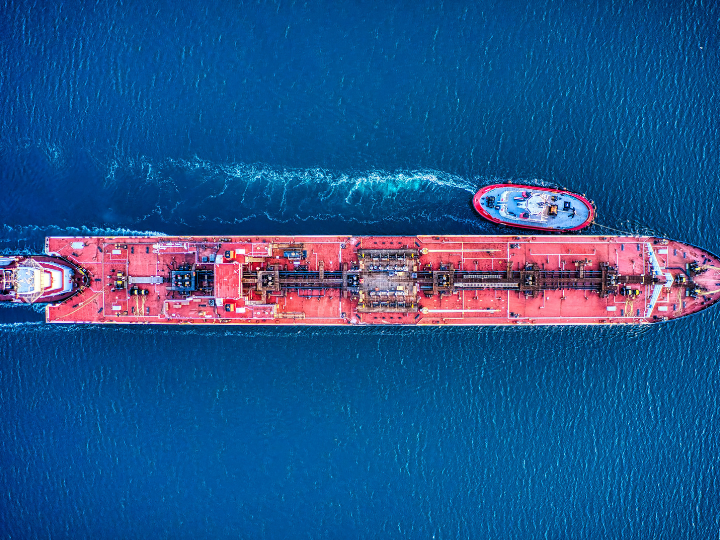
As reported by EURACTIV earlier, the sanctions would add a ban on shipping Russian oil but will include an exemption for oil priced at or under a level set by G7 states.
According to EU diplomats, Malta, Greece and Cyprus are set to receive significant concessions over their economic concerns, including an impact assessment to be made before price caps come into force.
This would also include a monitoring system by the European Commission which would assess circumvention practices such as the re-flagging of vessels, EU diplomats said, where if the EU’s executive found a “significant loss of business” due to evasive measures, it would be able to propose mitigation measures to the country to avoid their fallout.
“It’s a sort of emergency brake,” one EU diplomat said, admitting that this could also mean that a member state could veto the price cap if the impact assessment is negative.
“To include it in the sanctions package solves the ‘first mover’ problem that Malta feared: We do a shipping ban, and other G7 members might not follow suit,” the diplomat added.
There is no decision yet on an actual price or the price range of the future cap, though the US has indicated this would come within weeks.
In June, EU member states had agreed to a total ban on insurance and financial services for seaborne oil, starting on 5 December, alongside a ban on EU purchases of Russian crude, while shipping was spared from the restrictions.
The G7 had supported a price cap earlier this month and said they aim for an agreement before the ban takes effect.
On the price cap mechanism procedure, Poland has been pushing for decision-making to be unanimous, which is reflected in the current proposal, according to EU diplomats.
“There was the idea that the European Commission would be representing all member states in the process. Now it would need a mandate approved by the Council (every time) to set a price cap,” an EU diplomat familiar with the discussion had said on Monday.
The final version of details of the draft of the new measure, including the oil price cap, is expected to be signed off on Wednesday or latest on Thursday, but before EU leaders meet in Prague on Thursday and Friday for their informal summit, EU diplomats said.
*first published in: Euractiv.com
 By: N. Peter Kramer