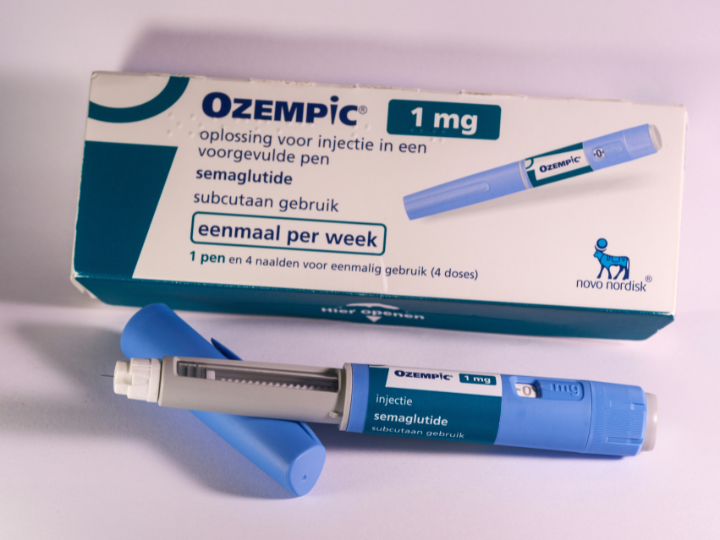
1. Ozempic, the world’s leading weight loss drug, is produced by Danish drug maker Novo Nordisk. It is a so-called “GLP-1 agonist.”
2. As many as 1 in 8 Americans have tried such drugs for weight loss.
3. Using these drugs can lead to better overall health and increased well-being for individuals struggling with obesity, including improved quality of life and reduced social stigma.
4. Drugs to combat obesity-related disabilities, such as absenteeism and “presenteeism” (i.e. showing up, but not performing your best) could also be beneficial for the labor market.
5. However, most U.S. health insurance plans do not yet cover weight loss drugs.
6. Goldman Sachs estimates that widespread adoption of weight loss drugs could increase U.S. GDP by 0.4%. It could thus potentially add up to a trillion dollars to U.S. economic output over the next four years.
7. The OECD forecasts that member countries will spend an average of 8.4% of their national health budgets on treating obesity-related conditions between 2020 and 2050.
8. Junk food and alcohol producers are particularly concerned. Data shows that households with at least one weight loss drug user cut their grocery spending by approximately 6% within six months of taking the medication, according to a study by Cornell University and Numerator.
9. In a global context, the London-based World Obesity Federation predicts that healthier populations could contribute up to 0.6% of global annual GDP by 2035, and 1.6% of GDP per annum until 2050.
10. There are also concerns that this "medication strategy" to fight obesity could dampen other important weight loss strategies such as physical exercise.
*first published in: Theglobalist.com
 By: N. Peter Kramer