N. Peter Kramer’s Weekly Column
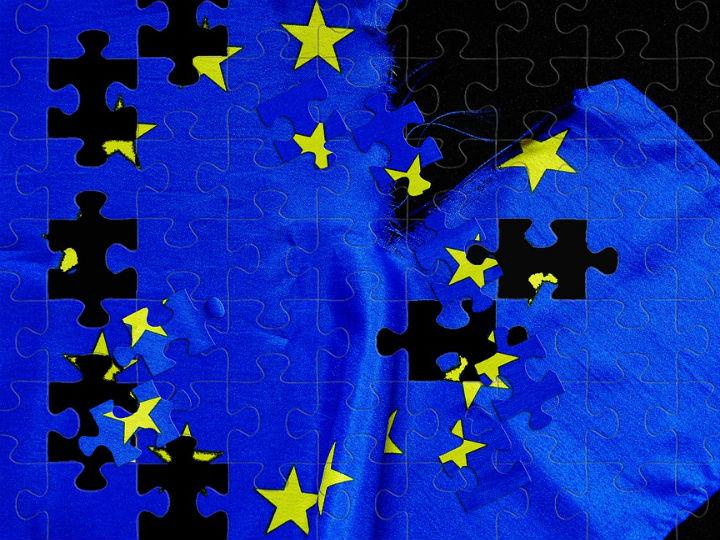
The European Union is increasingly on the sidelines. After the Russian invasion of Ukraine in 2022, the EU seemed to regain its role. It reacted quickly and unanimously with heavy sanctions against Russia. Four years later, during the commemoration of the war in Kiev, European Commission President Ursula von der Leyen appeared empty handed: new sanctions on Russia and a financial support package of 90 billion euros are blocked.
Meanwhile, the US negotiates directly with Moscow, the EU is not at the table. About Israel’s struggle for survival against Hamas and Hezbollah, EU memberstates are divided and the three EU top fonctionnaires are contradicting each other. Building a strong common defense now the US turns away from the EU is impossible, the two biggest memberstates – Germany and France - are not even able to reach an agreement on an important military project.
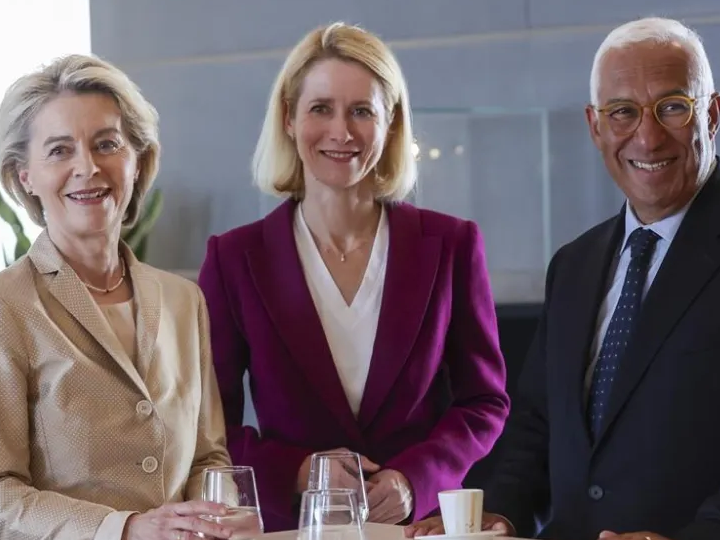
The EU is too big to act quickly and in other areas to small and incomplete, missing important European countries as the United Kingdom, Norway and Iceland, says the think tank Carnegie Europe. And it is missing strong leaders. Who is responsible for foreign affairs? Ursula von der Leyen seems to think that she should set foreign policy. But that task falls under the responsibility of EU foreign policy chief Kaja Kallas. The Commission President also often ignores Council President Antonio Costa and contact directly council members, the heads of the EU member states.
While the EU is looking for consensus, individual member states and smaller groups are opting for cooperation outside the EU. So-called ‘coalitions of the willing’ are gaining ground, both in support of Ukraine and in possible military missions in the Middle East.
In Brussels there is a growing awareness that serious reforms are necessary. The question is whether these reforms will be implemented soon.