Edition: International | Greek
MENU

Home » EU Actually

Iceland’s ‘NO EU’ a setback for the net contributors to the ever-expanding EU budget

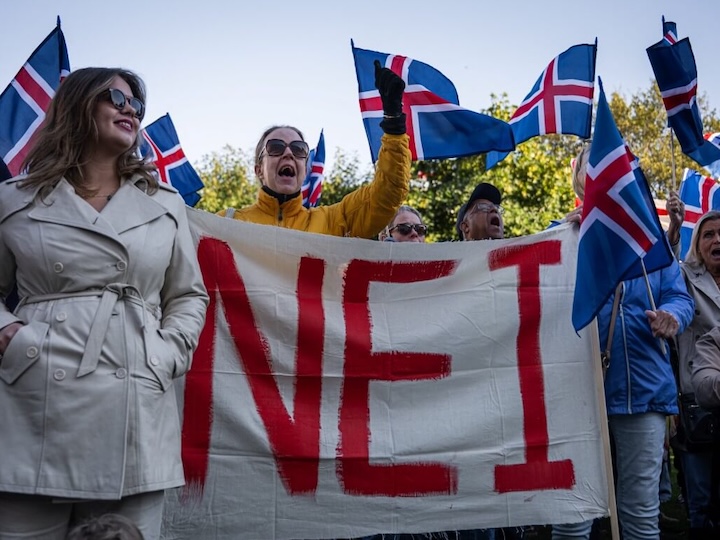
In his weekly column N. Peter Kramer writes about the result of the Iceland EU referendum: the Icelanders choose for a beneficial status quo!

By: N. Peter Kramer - Posted: Tuesday, September 1, 2026

Reykjavik could have been a potential ally in the desire of more wealthy member states like Germany, Austria, the Netherlands and some Scandinavian countries, to drastically reform the EU budget and care more about transparency, innovation and free trade.

N. Peter Kramer’s Weekly Column

Island’s NO to even accession talks is a major setback for the richer EU member states, the net contributors to the ever-expanding astronomical EU budget.

For the first time since the accession of Austria, Finland and Sweden in 1995, a net contributor would have joined while the EU waiting room for candidate member states is crowded with poor countries like Albania, Montenegro, Ukraine, who after accession can count on billions in aid in exchange for a minimal contribution.

Reykjavik could have been a potential ally in the desire of more wealthy member states like Germany, Austria, the Netherlands and some Scandinavian countries, to drastically reform the EU budget and care more about transparency, innovation and free trade.

The Icelanders choose for a beneficial status quo. Their country benefits of the Schengen border-free zone and, as a member of the European Economic Area (EEA), of the EU internal market. At the same time Iceland has a free hand to finalise its own trade agreements, as it did with i.a. China and keeps control over its fishing grounds and agriculture, free from EU regulation and interfering.

(In defence terms: Iceland is a member of NATO, has no army but keeps its borders open for NATO allies, and has a defence agreement with the US.)
READ ALSO

EU Actually

It is high time to rein in AI

N. Peter KramerBy: N. Peter Kramer

In his weekly column N. Peter Kramer writes about the global discussion about Artificial Intelligence , the need for quick regulation, and points to international treaties from the 20th century.

Europe

EU Fails to Learn the Lessons from Ceuta

EU Fails to Learn the Lessons from Ceuta

The aftermath of the Ceuta crisis shows Europe has drawn the wrong lessons. Rather than doubling down on failed migration policies, the EU needs to address the underlying roots of such episodes.

Business

Businesscraft: Japan’s Quiet Discipline for a Fractured World

Businesscraft: Japan’s Quiet Discipline for a Fractured World

For almost thirty years after the end of the Cold War, geopolitics stayed away from the corporate boardroom. Geopolitical considerations belonged to the foreign ministry or to a dedicated risk committee back at headquarters, and rarely crossed a CEO’s desk.

MARKET INDICES

Powered by Investing.com
All contents © Copyright EMG Strategic Consulting Ltd. 1997-2026. All Rights Reserved   |   Home Page  |   Disclaimer  |   Website by Theratron