by Rajnish Singh, European Policy Centre
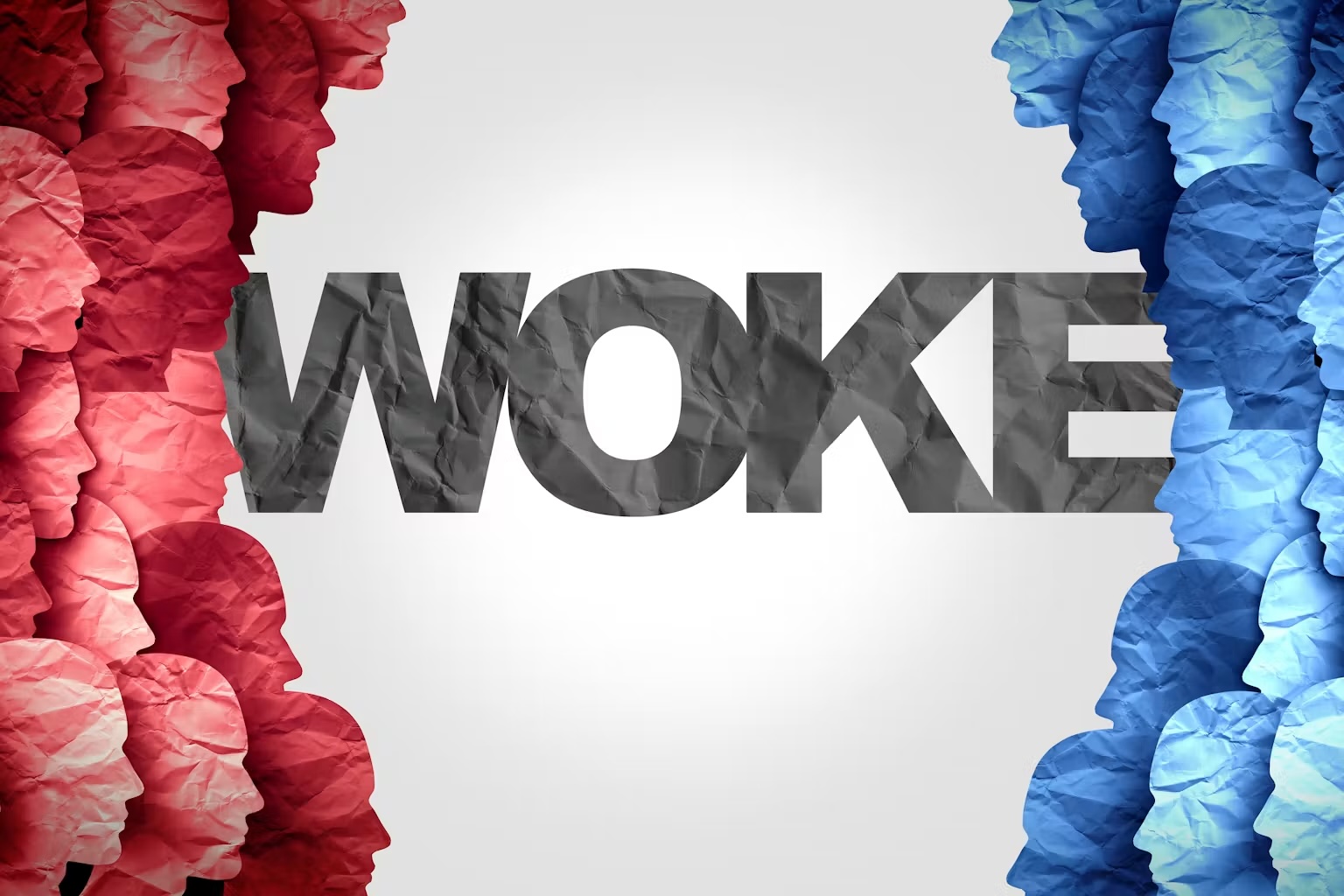
In 2016, former Twitter owner Jack Dorsey appeared in an interview with Black Lives Matter activist DeRay McKesson wearing a "#StayWoke" T-shirt. A decade later, the political mood looks remarkably different. Even prominent figures on the American left, including Alexandria Ocasio-Cortez (AOC), have said: "Woke 1 was crazy”. Across the United States and Europe, progressive politicians are increasingly reaching the same conclusion: if they want to win elections, they must spend less time talking about identity and more time talking about how people pay their bills.
The shift is not necessarily a rejection of equality, diversity or minority rights. Rather, it reflects a growing recognition that voters facing a cost-of-living crisis are more concerned about wages, housing, healthcare, and jobs than they are about ideological battles on social media.
For much of the past decade, large sections of the left focused heavily on the politics of race, gender/Trans, identity, representation and language. While many of those debates raised legitimate concerns, they often failed to address the economic anxieties experienced by ordinary voters. As inflation soared, housing became unaffordable and public services came under strain, many working-class and middle-income voters felt progressive parties were talking about everything except their daily lives.
That political disconnect created an opening for populists. Donald Trump’s MAGA movement in the United States, Nigel Farage’s Reform movement in Britain, Marine Le Pen in France and the AfD in Germany all built support by speaking directly to voters who felt ignored by political elites.
The response from many progressive politicians has been a quiet but noticeable recalibration.
In New York, Zohran Mamdani’s successful mayoral campaign focused heavily on practical economic issues rather than culture-war grievances. While his opponents attempted to portray him as a radical activist, his campaign largely concentrated on affordability, housing and the cost of living. Instead of framing politics through the language of victimhood, he offered an optimistic vision centred on improving everyday life.
Similarly, Michigan Senate candidate Abdul El-Sayed has built his campaign around a simple message: "Money Out of Politics, Money in Your Pocket, Medicare for All." At a time when Americans are increasingly concerned about healthcare costs, housing affordability and widening wealth disparities, the slogan is notable for what it leaves out. There is little emphasis on the cultural battles that dominated progressive discourse only a few years ago. Instead, the focus is squarely on economic security.
A similar trend can be seen in Britain. Prime Minister Andy Burnham has concentrated on economic growth, regional inequality and spreading prosperity beyond London and the South East. His promise to bring opportunity to every postcode may be ambitious, but it speaks directly to concerns about stagnation and decline that have shaped British politics since the financial crisis. By putting economic renewal at the centre of his agenda, Burnham has sought to blunt the appeal of Nigel Farage’s insurgent right.
Scandinavia arguably offers the clearest evidence of this shift. Danish Prime Minister Mette Frederiksen has combined traditional centre-left economics with a tougher approach to migration, helping neutralise one of the right’s strongest electoral weapons. Meanwhile, Sweden’s Social Democrats, who won a national election in September 2026, focused on strengthening workers’ rights, restoring confidence in public services and repairing strain on the welfare state.
None of this means identity politics has disappeared. The Gaza war continues to generate fierce political divisions, while debates about immigration, religion and national identity remain potent across the Western world. But these issues no longer dominate progressive politics as they once did.
The lesson from Stockholm to New York is increasingly clear. Progressive parties are discovering that voters are less interested in symbolic cultural battles than in whether they can afford a home, access a doctor, pay their energy bills or build a decent future for their children. The most successful politicians on the centre-left are not abandoning their values. They are returning to a basic political truth: broad electoral coalitions are usually built on the politics of redistribution, not the politics of recognition.
The era of woke politics is not over. But its dominance in progressive policy may finally be coming to an end.
 By: N. Peter Kramer