• €411,000 of EU funds spent on a dog fitness centre in Hungary to "improve the lifestyle and living standard of dogs";
• a €5.25m bill for MEPs' limousines in Strasbourg;
• a project designed to increase Austrian farmers' "emotional connection with the landscapes they cultivate";
• €750,000 of EU structural funds spent to host Elton John's concert during the "Festa di Piedigrotta" in Naples;
• the former Slovakian government gave €600,000 from EU programmes to two football teams to educate a few dozen Roma people and
• spent €1 million to teach leadership skills in a cabbage-processing plant.
While tough austerity measures are sweeping Europe, huge amounts of European taxpayers’ money is being wasted. "There should be no talk whatsoever of budget increases until the problems with waste and mismanagement in the EU's spending programmes are stamped out once and for all", said Open Europe Director Mats Persson.
But who is listening to him? Not EU Commissioner for Regional Policy Johannes Hahn for instance. He outlined a few weeks ago proposals to increase the budget for regional spending by 16,9%! And certainly not the majority of the European Parliament deciding that the EU budget 2011 has to be increased by nearly 7%!
In the EU Council (October 28) David Cameron and other EU leaders including Angela Merkel and Nicolas Sarkozy blocked the EP proposal and capped the budget rise at 2.9%. After that EP President Jerzy Buzek accused the EU leaders of an ‘anti-European’ stand. It seemed that they were not impressed and Merkel asked him in a friendly way: ‘do you mean I am anti-German because I have to cut my national budget?’.
Now the European Commission wants to increase the EU’s own resources (read: EU taxation) to feed the EU budget, so member states have to donate less. This proposal was enthusiastically embraced by the European Parliament. But let us hope that the member states will not agree. The system of national contributions is preferable; it keeps EU spending in control because national leaders and national finance ministers face their parliaments and the public opinion in their country. They are exposed to the real world. The European Commission is not, nor is the European Parliament.
By the way: the salaries of EU civil servants will increase by 0.4% next year, European Commission officials told journalists, retracting a previous announcement that EU employees were set for pay cuts. The Commission added that after the 2.4% increase in the cost of living in Brussels the new figures nevertheless represent a 2% reduction in EU officials' purchasing power. Can you believe it? Many countries are cutting back on public sector jobs and salaries, increasing EU salaries is out of step with the economic climate. EU remuneration is already extremely generous and offers a lot of means to get additional benefits that have been scaled back in national civil services…
Editor′s Column: Real life and EU bureaucracy - a tale of two worlds
It would be laughable if it wasn’t so serious. Six bewildering examples of wasteful EU spending, taken from a long list by Open Europe, an independent thinktank

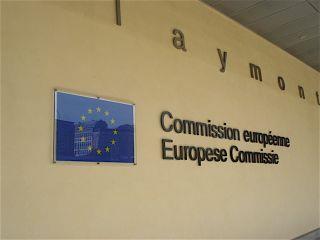
By the way: the salaries of EU civil servants will increase by 0.4% next year, European Commission officials told journalists, retracting a previous announcement that EU employees were set for pay cuts. The Commission added that after the 2.4% increase in the cost of living in Brussels the new figures nevertheless represent a 2% reduction in EU officials′ purchasing power. Can you believe it?