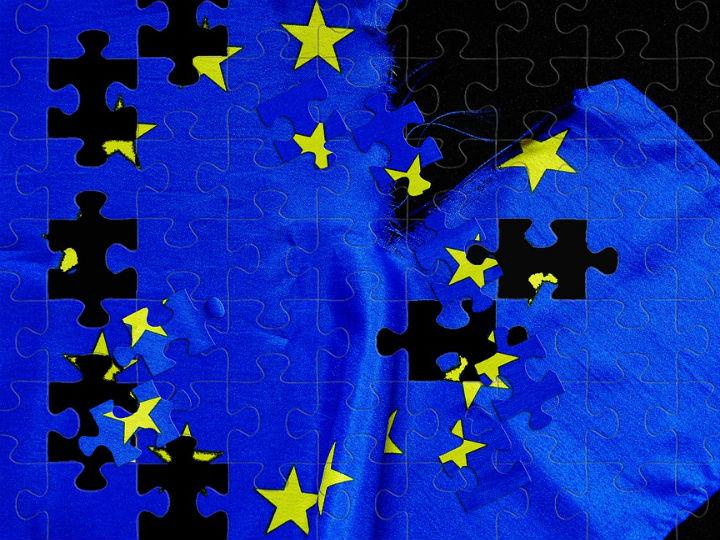
Didn’t Mr Kenny realise that there are always somewhere national or regional elections in the EU’s 27 memberstates. Two days after the Summit, Bundeskanzler Angela Merkel lost two state elections. The same day, French President Nicolas Sarkozy saw not only a triumph in local elections for his Socialist opponents, but also for the extreme right wing party “Front National”. Portugal’s Prime Minister Socrates resigned the day before the Summit and is heading for a clear defeat in the June elections. That fate is waiting for Spanish Prime Minister Zapatero as well in the upcoming national elections.
In many EU countries, not only in France, Eurosceptic right wing parties are flourishing and influential, in Hungary, the Netherlands, Denmark and Sweden for instance. April 17 is Election Day in Finland; the True Finns (!) party is expected to be a winner. All this plus question marks for Italian (Prime Minister Berlusconi looks busier with court cases than with the financial problems in the EU) and Belgian (still no genuine government a year after the elections) leadership and it seems quite understandable why the markets and the citizens losing their patience and confidence.
Is there a democratic solution? Many among us will tell you no, there isn’t. You cannot force voters. You cannot leave it to Brussels Institutions as the European Commission (technocrats) or the European Parliament (not aware of reality, see its recent pay raises and the continuing demand for higher budgets). But … maybe it is a democratic solution to strengthen the influence of national parliaments over EU decision taking, as The Economist suggested? These parliaments are close to their voters and under direct ‘control’ of national media. Why not?