Edition: International | Greek
MENU

Home » World

5 charts that explain the global economy in 2018

The global economy started 2018 on an upbeat note, buoyed by a pickup in global manufacturing and trade through 2017

By: EBR - Posted: Friday, December 28, 2018

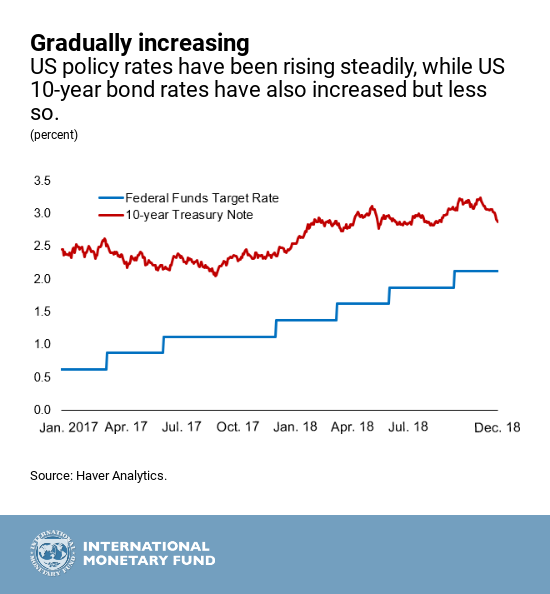
the US economy expanded at a fast pace in 2018, as tax cuts and spending increases stimulated demand. The US Federal Reserve has continued to raise the policy interest rate as a result. Interest rates on US long-term bonds have increased less, as investors see risks to future growth and value the safety of US Treasury securities

By Oya Celasun, Gian Maria Milesi-Ferretti & Maurice Obstfeld

1. The global economy started 2018 on an upbeat note, buoyed by a pickup in global manufacturing and trade through 2017. As investors’ confidence in the global economic outlook lost steam, so did the upswing.
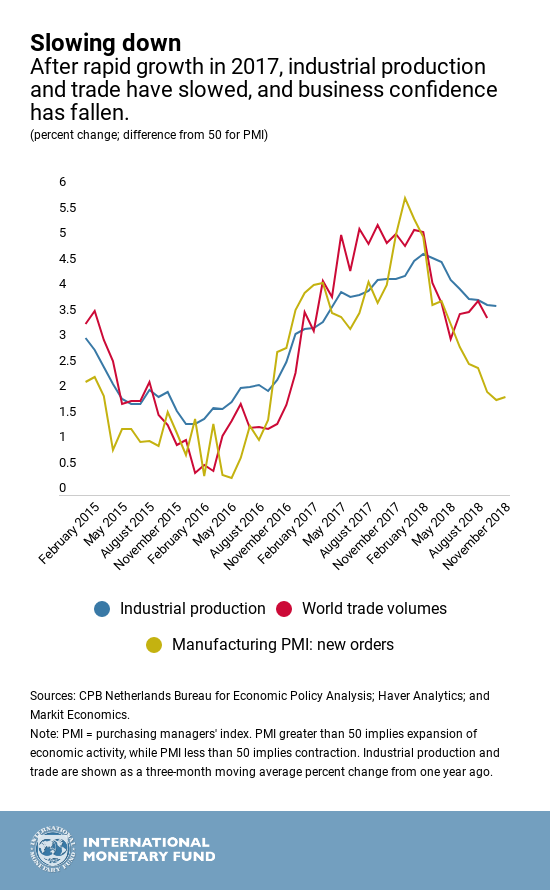


2. One reason behind this loss in momentum is the implementation of tariffs by major economies—especially the United States—and retaliatory measures taken by others, including China. The increasingly protectionist rhetoric on trade has meant higher uncertainty about trade policy, which weighs on future investment decisions.


3. Despite these actions, the US economy expanded at a fast pace in 2018, as tax cuts and spending increases stimulated demand. The US Federal Reserve has continued to raise the policy interest rate as a result. Interest rates on US long-term bonds have increased less, as investors see risks to future growth and value the safety of US Treasury securities.


4. As growth and interest rates in the United States have outpaced those in other major economies, the US dollar has appreciated against most other currencies in 2018.
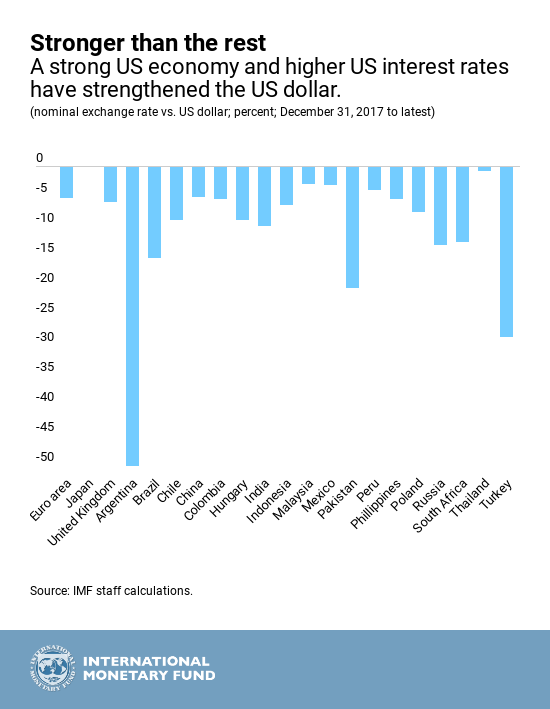


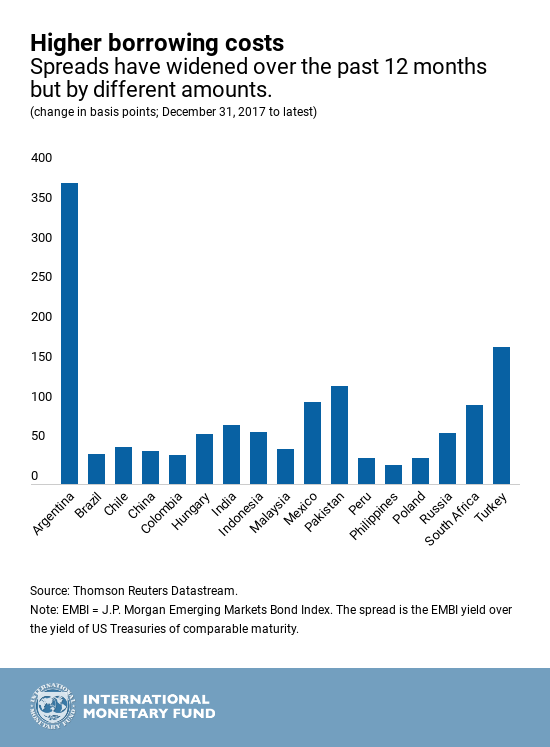
5. Some vulnerable emerging market economies have come under strain as the US dollar gained value and the level of risk that global financial investors were prepared to accept dropped. Most of these countries have seen increases in their external borrowing costs, but the extent of these increases varied widely.


How will the global economy fare in 2019? Stay tuned until January 21, when the World Economic Outlook Update will present the IMF’s view on where the global economy is headed.


*First published in weforum.org

READ ALSO

EU Actually

It is high time to rein in AI

N. Peter KramerBy: N. Peter Kramer

In his weekly column N. Peter Kramer writes about the global discussion about Artificial Intelligence, the need for quick regulation, and points to international treaties from the 20th century.

Europe

EU Fails to Learn the Lessons from Ceuta

EU Fails to Learn the Lessons from Ceuta

The aftermath of the Ceuta crisis shows Europe has drawn the wrong lessons. Rather than doubling down on failed migration policies, the EU needs to address the underlying roots of such episodes.

Business

Businesscraft: Japan’s Quiet Discipline for a Fractured World

Businesscraft: Japan’s Quiet Discipline for a Fractured World

For almost thirty years after the end of the Cold War, geopolitics stayed away from the corporate boardroom. Geopolitical considerations belonged to the foreign ministry or to a dedicated risk committee back at headquarters, and rarely crossed a CEO’s desk.

MARKET INDICES

Powered by Investing.com
All contents © Copyright EMG Strategic Consulting Ltd. 1997-2026. All Rights Reserved   |   Home Page  |   Disclaimer  |   Website by Theratron