by Sam Morgan
On 1 January, International Maritime Organisation (IMO) rules came into force, lowering the legal sulphur limit of boat fuel from 3.5% to just 0.5%, in a bid to improve air quality and reduce the causes of acid rain.
But new figures submitted to the IMO by Finland and Germany, ahead of an annual meeting of its pollution prevention committee meeting in February, warn that the cleaner fuel has the potential to do serious climate harm.
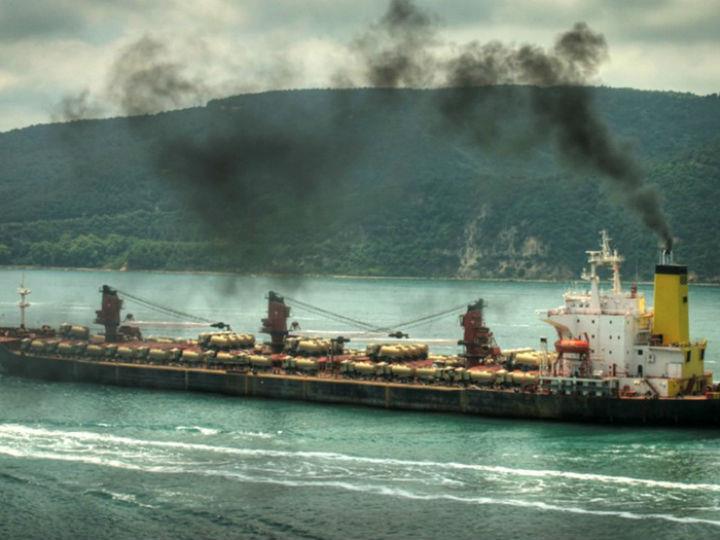
That is because the very-low sulphur fuel oils (VLSFO) tested contained more hydrocarbons known as aromatics, which in turn cause more black carbon emissions (BC). BC is perhaps second only to CO2 in terms of climate-damaging potential.
According to the study, the hybrid fuels tested contained between 70% and 95% more aromatic compounds, which led to 10% to 85% more BC compared to standard heavy fuel oil (HFO), a widely used shipping fuel.
Due to their strong black colour, BC emissions absorb sunlight to a greater degree and therefore have an increased warming effect. In the polar regions, they are particularly problematic as they stick to snow and increase melt rates.
A silver lining of BC emissions is that they remain in the atmosphere for less time than CO2 and dissipate within weeks. Aside from shipping, they are also regularly produced by wood-burning stoves and forest fires.
The study suggests that aromatic content should be factored into how fuels are classified and that the International Organisation for Standardisation (ISO) should undertake a review to “enable a better qualification of marine fuels with respect to their environmental performance”.
Charting a new course
Finland and Germany’s study also calls on the IMO committee to “note the information contained in this document and to take action as appropriate”.
The UN shipping body, less than a month into implementing the new sulphur cap, had hoped the binding measure would serve as a milestone towards making good on a pledge to halve emissions in general from the sector by 2050.
Progress has so far been slow in deciding how best to curb carbon dioxide and methane output, although shippers themselves have recently indicated they would be willing to entertain the idea of a fuel tax if the revenues are spent wisely.
“To meet international shipping’s decarbonisation challenge, the maritime industry needs a carbon levy, it is coming, and we should shape it,” Andreas Sohmen-Pao, chairman of maritime giant BW Group, said last November.
“A maritime green fund could accelerate decarbonisation in shipping, support scaling and infrastructure to deliver new fuels, while taking into consideration the impact on trade and developing states,” he added.
The European Union looks set to price carbon itself in the new decade, as plans are in motion to include shipping in the Emissions Trading Scheme (ETS), after the new European Commission announced the measure.
Although data for boat emissions is already collected under the bloc’s Monitoring, Reporting and Verification (MRV) regulation, decisions still have to be made about the more technical aspects of ETS-inclusion.
According to EU sources, a Commission proposal might be delayed until mid-2021.
*first published in: www.euractiv.com
 By: N. Peter Kramer