by Rajnish Singh, Media Outreach Executive at the European Policy Centre
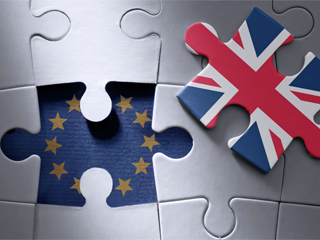
Since the beginning of 2026, UK Prime Minister Sir Keir Starmer, has seemed to stumble from one crisis to the next. He now faces leadership challenges following the disastrous May local elections, with open civil war erupting within his party between Labour’s various factions. His pressures become worse, when one of his challengers, Wes Streeting, made an off-the-cuff suggestion that Britain should be willing to “debate” rejoining the EU, which landed like a grenade.
Among Labour’s metropolitan supporters, it sounded refreshing. Across the northern English Red Wall, with Nigel Farage fast attracting support, it sounded like the return of a debate voters thought they’d buried. The timing couldn’t have been more controversial, as June will mark the 10th anniversary of the Brexit vote.
Yes, the public mood has shifted. Rejoining is polling better than at any point since 2016. But popularity isn’t the same as political safety. For many Leave‑leaning voters, Brexit was a cultural statement as much as a policy choice. Touch it again and Labour risks shunting them straight towards Reform, which only needs a few percentage points to cause real trouble.
If Labour wants a reality check, it’s happening in the Makerfield northern England, where Andy Burnham, Starmer’s strongest rival for leadership, is running in a by‑election to return to parliament, with a campaign laser‑focused on jobs, wages, housing and the cost of living. Not Brussels. Not internal Labour psychodrama. Not a constitutional re‑run of the 2016 Brexit referendum.
On the doorstep, voters are blunt: they want bills down, wages up and public services that work. Burnham’s campaign is a reminder that Labour’s massive majority is built on creating economic growth, not ideological nostalgia.
Also, former Labour prime minister Tony Blair, has weighed in with 5,000‑plus‑word essay criticising the current Starmer government for lacking a governing plan. His warning was clear: the government needs a strategy for growth, not a philosophical drift.
Blair also argued that the UK should only even consider rejoining the EU when the economy is recovering or fully recovered — a pointed reminder that reopening the Brexit question now would be a distraction at best, a self‑inflicted wound at worst.
When Burnham and Blair, two very different Labour figures, are effectively sounding the same alarm, Starmer should take note.
The wider political environment in the UK is splintering. The Greens are rising on the left. The Elon Musk backed Restore is emerging on the right, peeling votes from Reform. The electorate is atomising into smaller, angrier blocs. In this environment, building consensus on anything, let alone rejoining the EU, is close to impossible.
Labour’s base may want a closer relationship with Europe. But the voters who delivered its record breaking massive 166 seat majority, do not want the Brexit fight back on the table. They want competence, stability and delivery.
Starmer understands the danger. His advisers understand it. Yet senior Labour figures keep back the debate, which is guaranteed to fracture its support.
Labour can talk about improving UK‑EU cooperation, rebuilding trust and negotiating sectoral deals. But the moment it talks about rejoining, it risks detonating the fragile coalition that put it in power.
In the end, no matter who is the leader of Labour, the choice is brutally simple: Spend political capital on Europe or spend it on living standards. Only one of those will decide Labour’s fate.
 By: N. Peter Kramer