N. Peter Kramer’s Weekly Column
Mario Draghi and Enrico Letto, former prime ministers of Italy, wrote scathing reports on the EU competitiveness and the internal market, respectively. Thursday, they will attempt to wake up all EU heads of state and government during a special informal summit, on the initiative of Belgian Prime Minister Bart de Wever. According to Draghi and Letta, the EU needs to change faster and more radically. The threat of slow, painful death struggle has far from disappeared. On the contrary, the situation has worsened. China is destroying European industry with targeted overproduction or taking over important parts of it. And the US, for many years the most important ally and trading partner, is acting less and less like a friend.
EU leaders have plenty to ponder on Thursday. Will they follow the familiar pattern, lots of words and few actions? Or dare they to actually reform the EU? Because the biggest problem is not China or the US, but the cumbersome EU bureaucracy itself. Trade barriers between member states cost the EU some €1.700 billion annually. The endless tug-of-war over a capital markets union, rather than its implementation, drives hundreds of billions of euros of European savings towards the US. Citizens, entrepreneurs, businesses and politicians are becoming increasingly entangled in a dense web of regulations that undermines prosperity and competitiveness in the EU.
Everybody knows that the European Commission is an obstacle on the way to real reforms with its dictatorial president, internal divisions among the 27 commissioners and competition between the directorates-general. On top of that, there is the European Parliament that is primarily at odds with itself or yearns for more power.
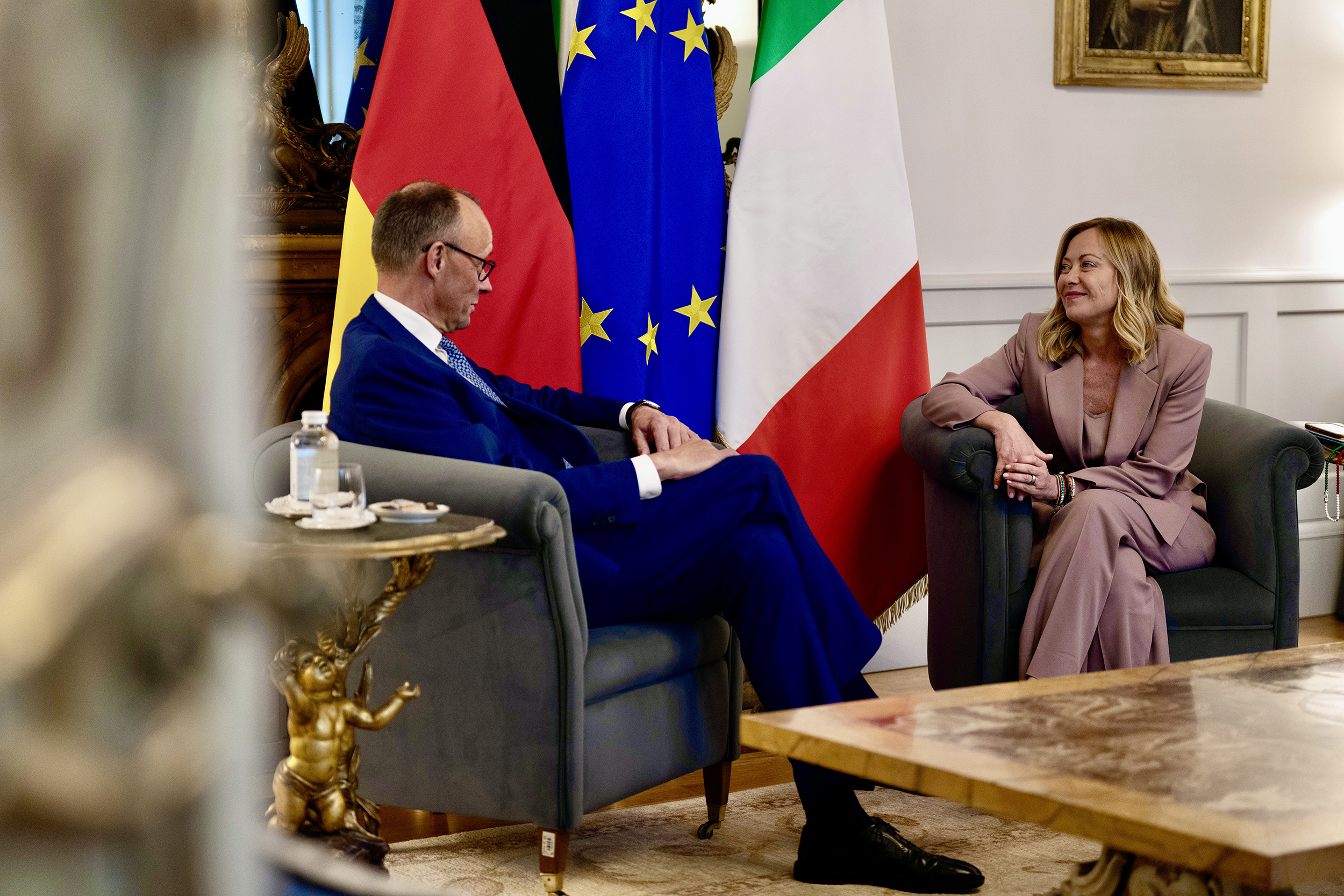
German Chancellor Merz seems to understand the situation better than his French colleague President Macron, a lame duck in his country. Are Merz and Italian Prime Minister Meloni the new coalition able to force a fundamental change?