by Rajnish Singh, European Policy Centre
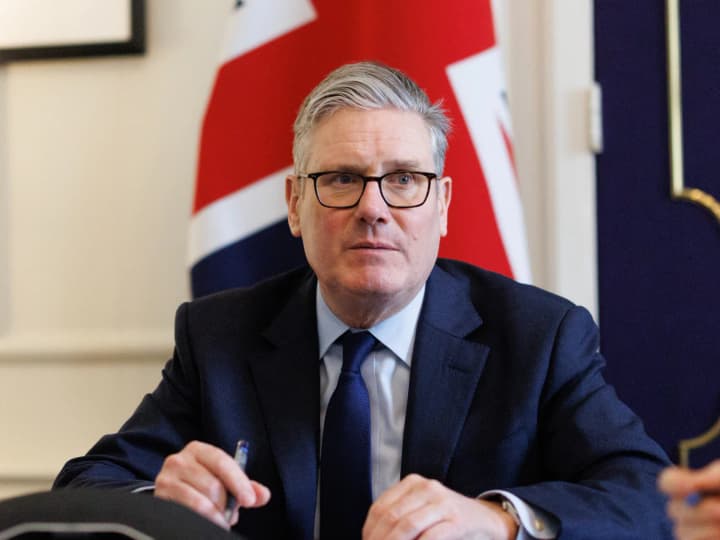
UK Prime Minister Keir Starmer entered 10 Downing Street promising stability, discipline and a return to grown-up government. Yet last week’s UK local elections, 7 May 2026, have had the opposite effect: they have triggered a crisis in his premiership.
The results exposed not only Labour’s strategic vulnerabilities but also the deeper fragmentation of Britain’s political landscape, a fragmentation now being exploited from both the right and the left.
The headline shock was the surge of Nigel Farage’s Reform UK, which won the most seats, demonstrating an effectiveness Westminster had long dismissed as little more than a protest vote.
Reform’s appeal, formerly UKIP the pro Brexit party, is not complicated: it channels anger. Anger at immigration, economic stagnation, and a political class seen as interchangeable. The Labour government is seen by many voters as already drifting into managerial caution, rather than radical change, that was promised in the national elections.
Farage has always understood the emotional temperature of the electorate better than his opponents. This time, he tapped into a mood that is not merely anti-Labour but anti-system.
But Starmer’s problems do not come solely from the right. Zack Polanski’s Green Party has mounted a sharp, unapologetic attack from the left, capitalising on Labour’s perceived timidity on Gaza, workers rights, and public services.
For younger, urban and progressive voters, the Greens offered something Labour no longer does ideological clarity. Polanski’s message, that Labour has become a party of management rather than transformation, resonated in places where Labour once enjoyed automatic loyalty.
The result is a prime minister now facing open calls to resign from within his own parliamentary party. Already 80 plus MPs have asked him to resign, while four junior ministers have resigned. The loudest voices coming from the Labour’s left, which has never forgiven Starmer for policy reversals, prioritising the bond markets rather than increasing spending, and bowing to Reform’s narrative on immigration. Their preferred successor, Andy Burnham, is being talked up as the figure who could reconnect Labour with its working-class base while offering a more authentic, values-driven leadership. From the centre and right of the party, Health and Social Care Minister Wes Streeting is also proving to be a threat. With Starmer meeting him today.
Yet the truth is that Starmer’s crisis is not rooted in one bad election night. It is the culmination of a long-running pattern: policy U-turns, strategic caution and a leadership style that often appears more reactive than visionary. The controversy over his push to install Peter Mandelson as UK ambassador to Washington, despite Mandelson’s well-documented social ties to Jeffrey Epstein, only deepened the sense of poor judgement and political tin ear. For many Labour MPs, this was the moment their doubts crystallised.
Still, Labour should tread carefully. The Conservative Party spent the past the last decade cycling through leaders — David Cameron, Theresa May, Boris Johnson, Liz Truss and Rishi Sunak — and each change only accelerated their decline. Leadership churn is not a strategy; it is a symptom of a party that has lost its sense of purpose. Labour risks repeating that mistake if it imagines replacing Starmer would magically restore coherence or popularity.
The deeper issue is that British politics is no longer a two-party contest. Reform is pulling disillusioned voters from Labour and the Conservatives alike. The Greens are peeling away the progressive flank. And a growing share of the electorate is simply tired of the mainstream altogether. They tried the Tories. They tried Labour. Now they are willing to give Reform a chance, not necessarily out of ideological conviction, but because they feel the traditional parties have stopped listening.
Starmer’s challenge is not merely to survive a rebellion within their own ranks. It is to articulate why Labour deserves to govern in an era when voters are no longer loyal, no longer patient and no longer willing to accept politics as usual.
Unless the party can do that clearly, confidently and without another round of U-turns, last week’s local elections may be remembered not as a warning, but as the beginning of the end for Labour’s rule in government.
 By: N. Peter Kramer