Edition: International | Greek
MENU

Home » Analyses

There are, to a certain degree, parallels that can be drawn between the current COVID-19 pandemic and some of the other contemporary crises our world is facing.

How climate change and the coronavirus are linked

By: EBR | Friday, April 3, 2020

We live in an age in which intersecting crises are being lifted to a global scale
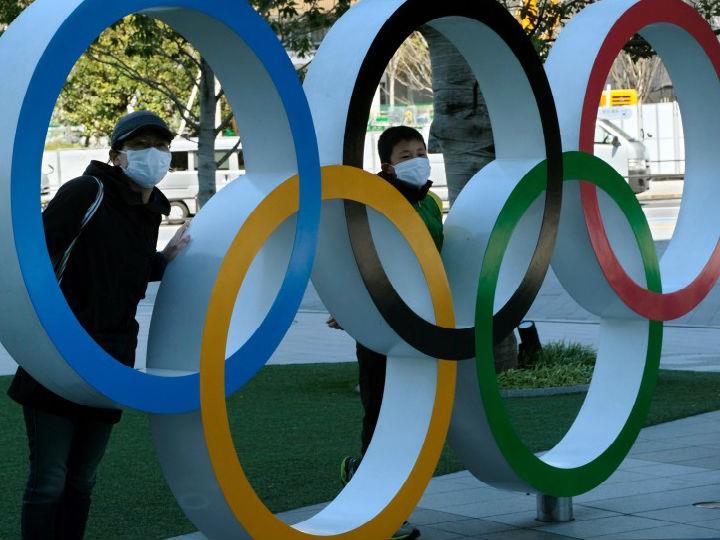
The games will open July 23, 2021, and close Aug. 8, 2021. The Paralympics will be held Aug. 24 through Sept. 5, 2021.

The Olympics as biggest event postponed to 2021, global sport are losing billions of dollars

By: EBR | Friday, April 3, 2020

The corona pandemic strikes humanity right in the heart of life, has major consequences for the economy as well as for sport in all its professional and amateur competitions
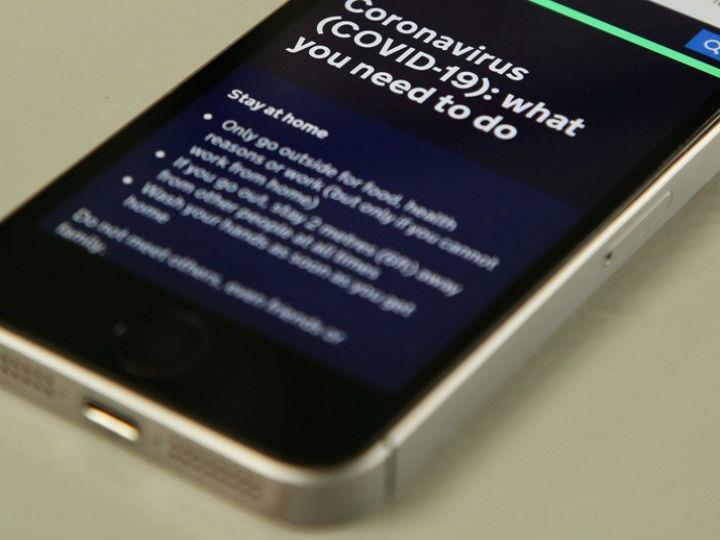
The best instrument for combating the infodemic wars is truthful, high-quality journalism. But the print media sector has long been caught in the claws of a downward business cycle.

COVID 19: How to Fight the Infodemic Wars

By: EBR | Wednesday, April 1, 2020

Beyond containing the COVID 19 virus, we must also contain the “infodemic” — the glut of misinformation from various sources. What does that take?
The response to the pandemic illustrates five actions we can take to address the global climate change crisis.

How COVID-19 might help us win the fight against climate change

By: EBR | Tuesday, March 31, 2020

The COVID-19 pandemic has elicited a global response unlike anything we’ve seen before

Draconian countermeasures have been adopted in many countries. If the pandemic dissipates — either on its own or because of these measures — short-term extreme social distancing and lockdowns may be bearable.

A fiasco in the making?

By: EBR | Thursday, March 26, 2020

As the coronavirus pandemic takes hold, we are making decisions without reliable data

Could users define proactively what their data can be used for, such as accelerating the cure for COVID-19, or dementia or cancer?

How personal data could help contribute to a COVID-19 cure

By: EBR | Monday, March 23, 2020

The entire state of California just joined San Francisco and Silicon Valley in a "shelter at home" order from the state’s governor. Restaurants, movie theatres and schools are just some of the parts of our everyday lives that must be temporarily interrupted to curb the spread of Covid-19
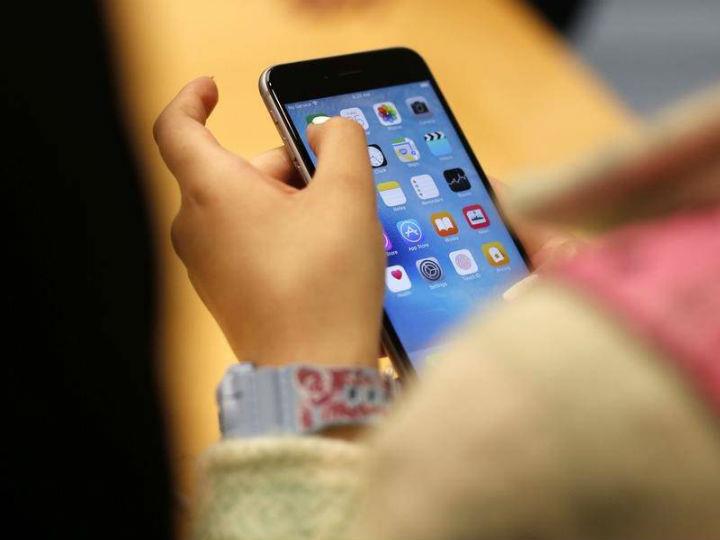
Lest we forget, long before the onset of the coronavirus, we created something that I would call technological “self-quarantine.”

Social Distancing and the End of the Human Race

By: EBR | Monday, March 23, 2020

We were once concerned that robots might replace and displace humans. The much greater risk is that humans will become robots. No emotion. No love. No shared laughter. No shared tears

The growth of image manipulation has made it more difficult to make sound decisions based on images and videos - something businesses and individuals are doing at an increasing rate.

To beat deepfakes, we need to prove what is real

By: EBR | Monday, March 23, 2020

Today, the world captures over 1.2 trillion digital images and videos annually - a figure that increases by about 10% each year
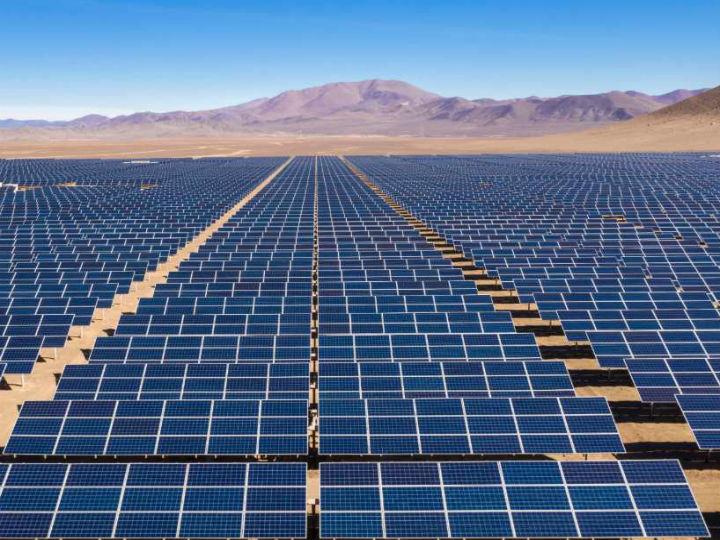
Governments are drawing up stimulus plans in an effort to counter the economic damage from the coronavirus. These stimulus packages offer an excellent opportunity to ensure that the essential task of building a secure and sustainable energy future doesn’t get lost amid the flurry of immediate priorities.

Why we can’t let the coronavirus undermine transitions to cleaner energy

By: EBR | Friday, March 20, 2020

The impact of the coronavirus around the world and the resulting turmoil in global markets are dominating global attention

Attackers can use such information for many other operations, such as selling them on the web, gaining access to bank accounts, or social media. Malware was discovered by security researcher Shai Alfasi of Reason Labs .

Phishing emails, trojans and spam in the age of the coronavirus

By: EBR | Thursday, March 19, 2020

Phishing emails, trojans and spam are now spreading over the Internet. Experts estimate that more than three percent of coronavirus websites that have been created since the beginning of the year contain malicious content
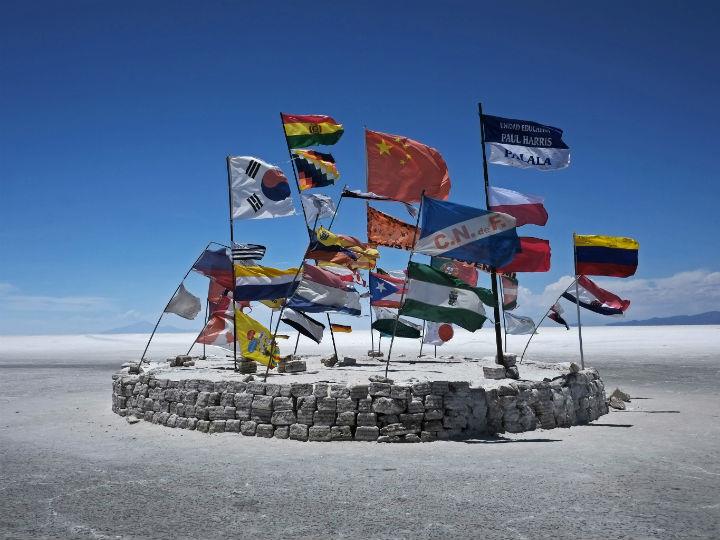
"While COVID-19 and the way of addressing it is slowing physical globalization down, it is also promoting an ever more digital, online form of globalization."

The Deglobalization Virus?

By: EBR | Thursday, March 19, 2020

The coronavirus crisis has become the third great globalization shock of this still relatively new century — after the 9/11 attacks in 2001 and the fall of Lehman Brothers in September 2008
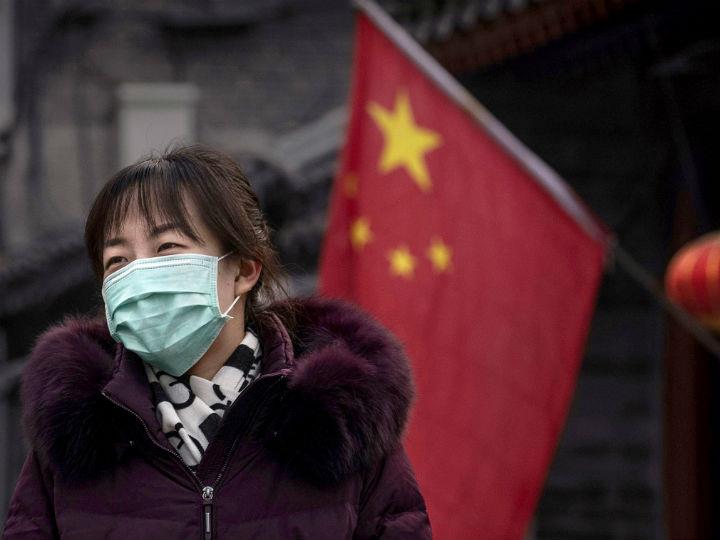
The confusion and lack of information led to some five million people fleeing Wuhan and spreading the virus.

China and Coronavirus: From Home-Made Disaster to Global Mega-Opportunity

By: EBR | Wednesday, March 18, 2020

Despite an initially horrendous response, China now utilizes its Coronavirus campaign to build global soft power

"In 2018, Amsterdam regulated its public space around the use of shared bikes. In 2019, we entered into the social charter with Uber and participated in the drafting of the Guidelines for Transforming City Mobility Systems."

Cooperation is the key to improving urban transportation- just ask Amsterdam

By: EBR | Wednesday, March 18, 2020

Humankind has always been innovative in developing ways to move ourselves and our goods

NATO members have increased their defense spending and improved on the slow modernization of their armed forces, but duplication still exists across the armaments sector, and inside the alliance there is fierce competition instead of cooperation over what military hardware to purchase.

The Coronavirus Is a Test for the West

By: EBR | Tuesday, March 17, 2020

The coronavirus pandemic is exposing the West’s lack of resilience and lack of cooperation just when both are most needed
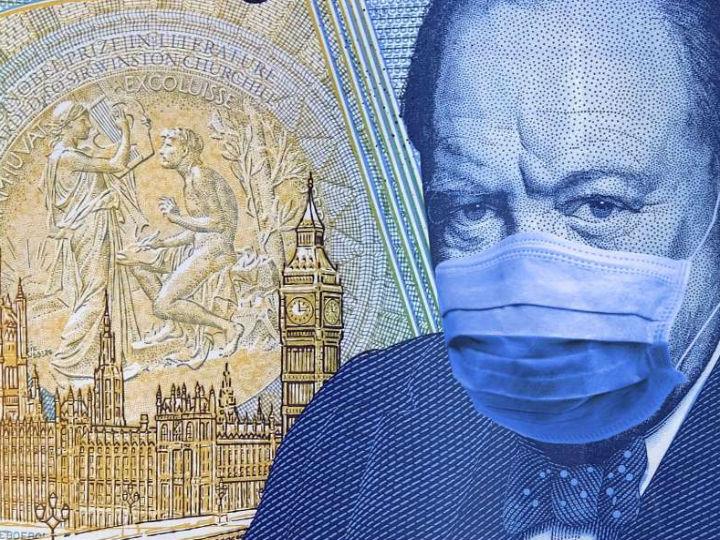
"Almost perfectly synchronized with the coronavirus, a Russia-Saudi oil war has erupted. In the short-term, both Moscow and Riyadh can afford the 30 per cent overnight drop in the oil price."

Will the coronavirus bankrupt more people than it kills, and is that the real global emergency?

By: EBR | Tuesday, March 17, 2020

Is the coronavirus economically more deadly than it kills people?

"At a time of extreme stress for the industry, aviation has stood by its commitment to grapple with the climate crisis even as it deals with the immediate tragedy of COVID-19. That is a demonstration of real leadership".

UN aviation body dumps dodgy carbon credits

By: EBR | Monday, March 16, 2020

The International Civil Aviation Organisation (ICAO) decided on Friday (13 March) to restrict how airlines, already struggling with the impact of coronavirus, can offset their emissions under a new climate change-busting mechanism
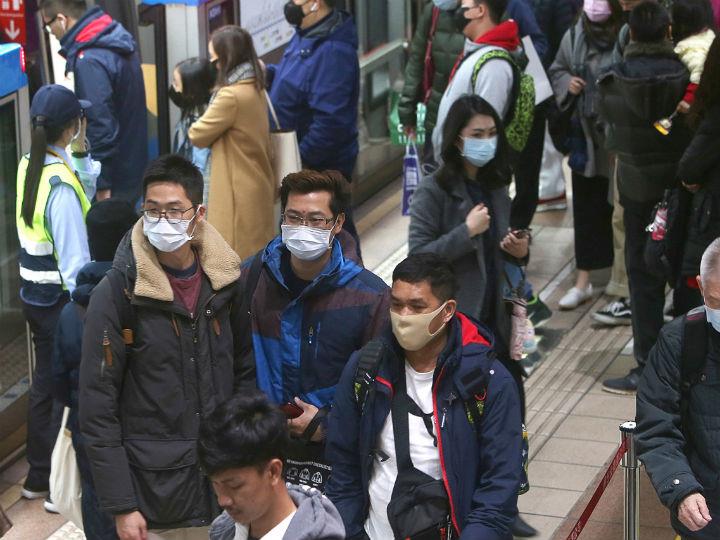
The virus causes mild respiratory infections in about 80% of those infected, though about half will have pneumonia. Another 15% develop severe illness, and 5% need critical care.

Coronavirus outbreak damaged the world dangerously

By: EBR | Thursday, March 12, 2020

The World Health Organization, WHO declared the rapidly spreading coronavirus outbreak a pandemic, acknowledging what has seemed clear for some time, the virus will likely spread to all countries on the globe

Future zero-emission vessels could run on a variety of new fuels: hydrogen or ammonia used in combustion engines (for long-distance shipping) and electric batteries or hydrogen-fuel cells (for shorter distances).

This is how zero-emission shipping could benefit developing countries

By: EBR | Tuesday, March 10, 2020

Emissions from ships are important contributors to global climate change and local air pollution, putting pressure on the environment and humans

The most obvious strategy for increasing the number of female board chairs is to increase the number of female CEOs, since CEO experience is considered an important prerequisite for the chair’s job and some 20 to 50 percent of female CEOs in our sample became board chairs.

Putting More Women at the Helm of Corporate Boards

By: EBR | Friday, March 6, 2020

Since 2010, we have witnessed a sharp rise in the number of female directors in many developed economies
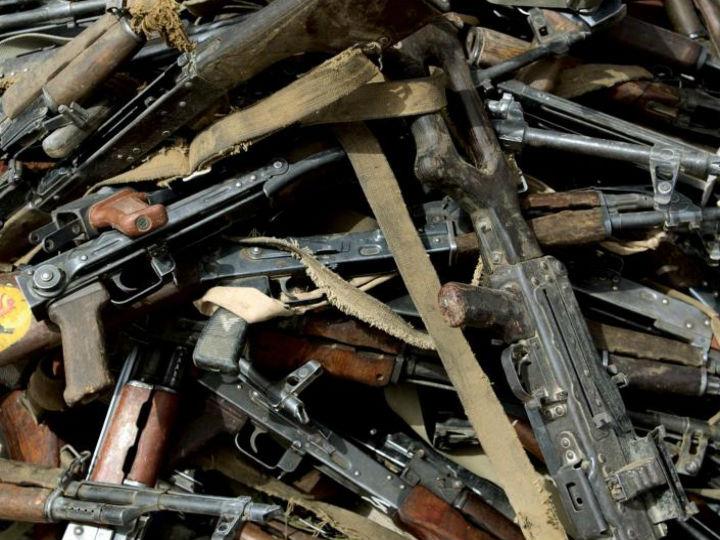
«Today most of these arrangements are defunct, abrogated, forgotten, or simply overtaken by political and technical events. Older agreements, among them the Anti-Ballistic Missile Treaty (1972) and the Intermediate-Range Nuclear Forces Treaty (1987), have been cancelled.»

Why Arms Control Is (Almost) Dead

By: EBR | Thursday, March 5, 2020

The next arms control agreement will have to include more actors and weapons platforms across multiple domains—as well as more effort from middle-sized powers to act where the so-called big ones won’t act anymore

Pages: Previous Next

EU Actually

Even Fox News participates in boycott of the White House after excluding CNN

N. Peter KramerBy: N. Peter Kramer

In his weekly column N. Peter Kramer writes about President Trump’s denying CNN, Politico and MS reporters access to the White House press conferences. The three news media are going to court!

Europe

Clouds gather over the Aegean

Clouds gather over the Aegean

Beyond the exchange of statements, signs point to further strain in Greek-Turkish relations.

Business

Businesscraft: Japan’s Quiet Discipline for a Fractured World

Businesscraft: Japan’s Quiet Discipline for a Fractured World

For almost thirty years after the end of the Cold War, geopolitics stayed away from the corporate boardroom. Geopolitical considerations belonged to the foreign ministry or to a dedicated risk committee back at headquarters, and rarely crossed a CEO’s desk.

MARKET INDICES

Powered by Investing.com
All contents © Copyright EMG Strategic Consulting Ltd. 1997-2026. All Rights Reserved   |   Home Page  |   Disclaimer  |   Website by Theratron