by
Robin Bowman*
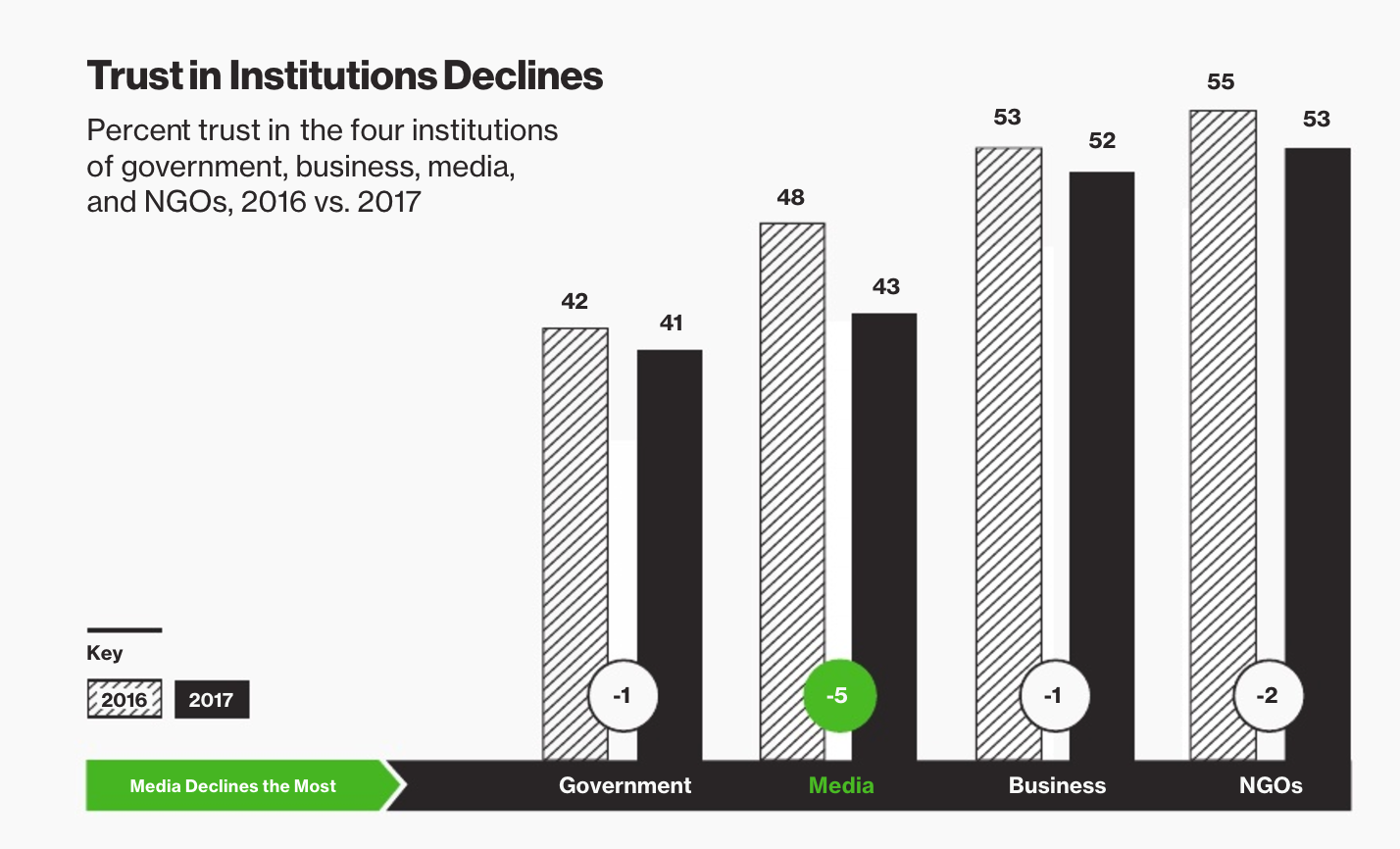
Trust in mainstream institutions of all kinds, from business to governments, and the media to NGOs, has never been in such short supply. It’s now at its lowest since the survey began five years ago.
Two-thirds of countries fall into what the report labels “distruster” territory, where trust levels have sunk below 50%.
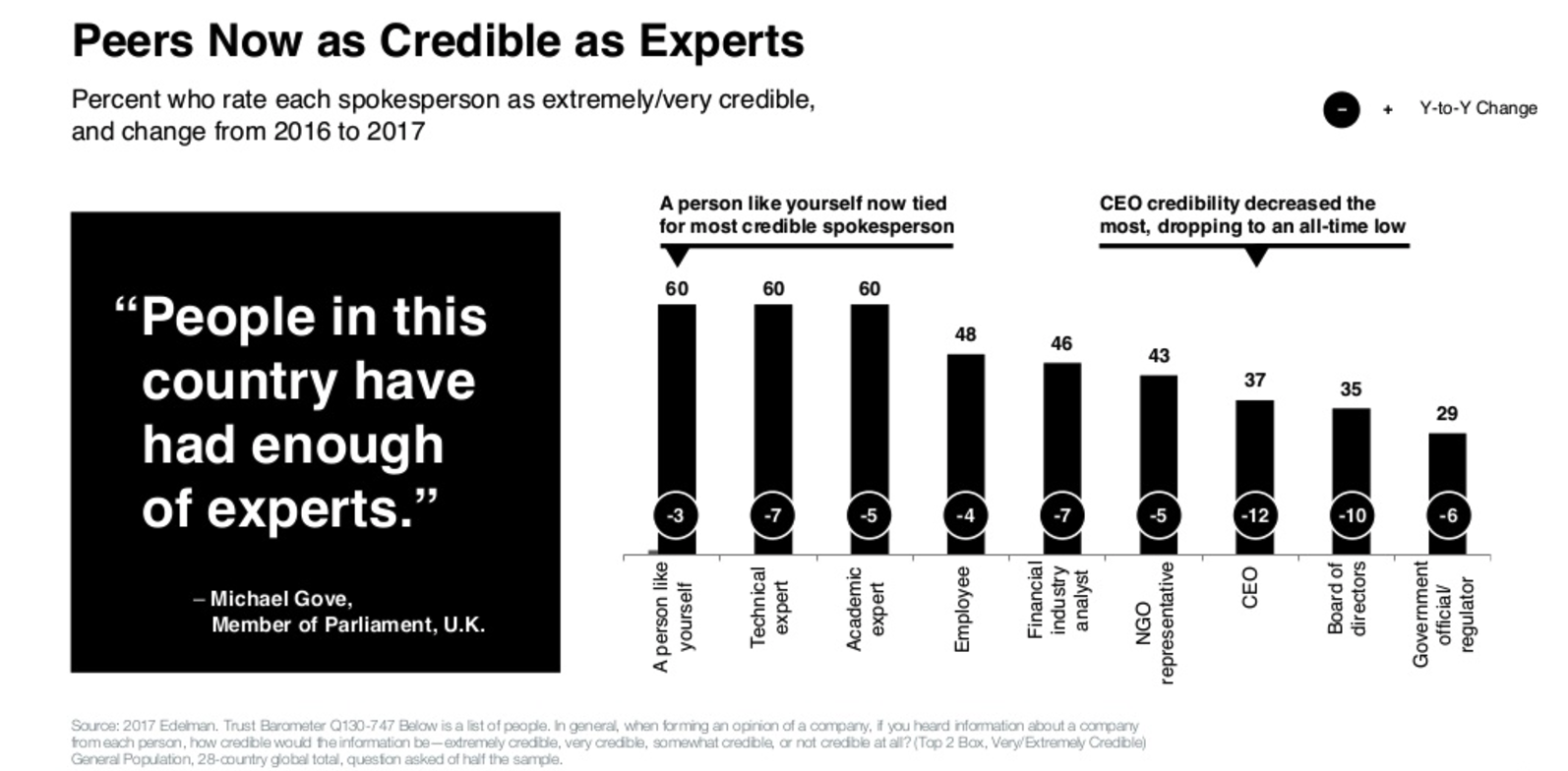
There is also a leadership credibility crisis, with just 37% of people now seeing CEOs as credible and only 29% feeling the same about government officials.
But, of the four institutions measured, it is the media that has seen the biggest fall off in trust among the public. It is distrusted in 83% of countries (less than 50% of people trust it); and in only five – Singapore, China India, Indonesia, and the Netherlands – does trust exceed 50%.
While a general lack of trust in the mainstream media might not be surprising, the data also reveals that, for the first time, there has been a decline in public trust of NGOs. In the US, China, Japan, Germany and the UK, trust in NGOs fell below 50%.
Government is now distrusted in 75% of countries, and business is dangerously positioned on what the report describes as the “brink of distrust”, being distrusted in 13 of 28 countries.
Overall, more than three quarters of respondents believe the political and economic system is rigged against ordinary people in favour of the rich and powerful.
What is also clear, however, is that trust in these mainstream institutions is widely disparate around the world.
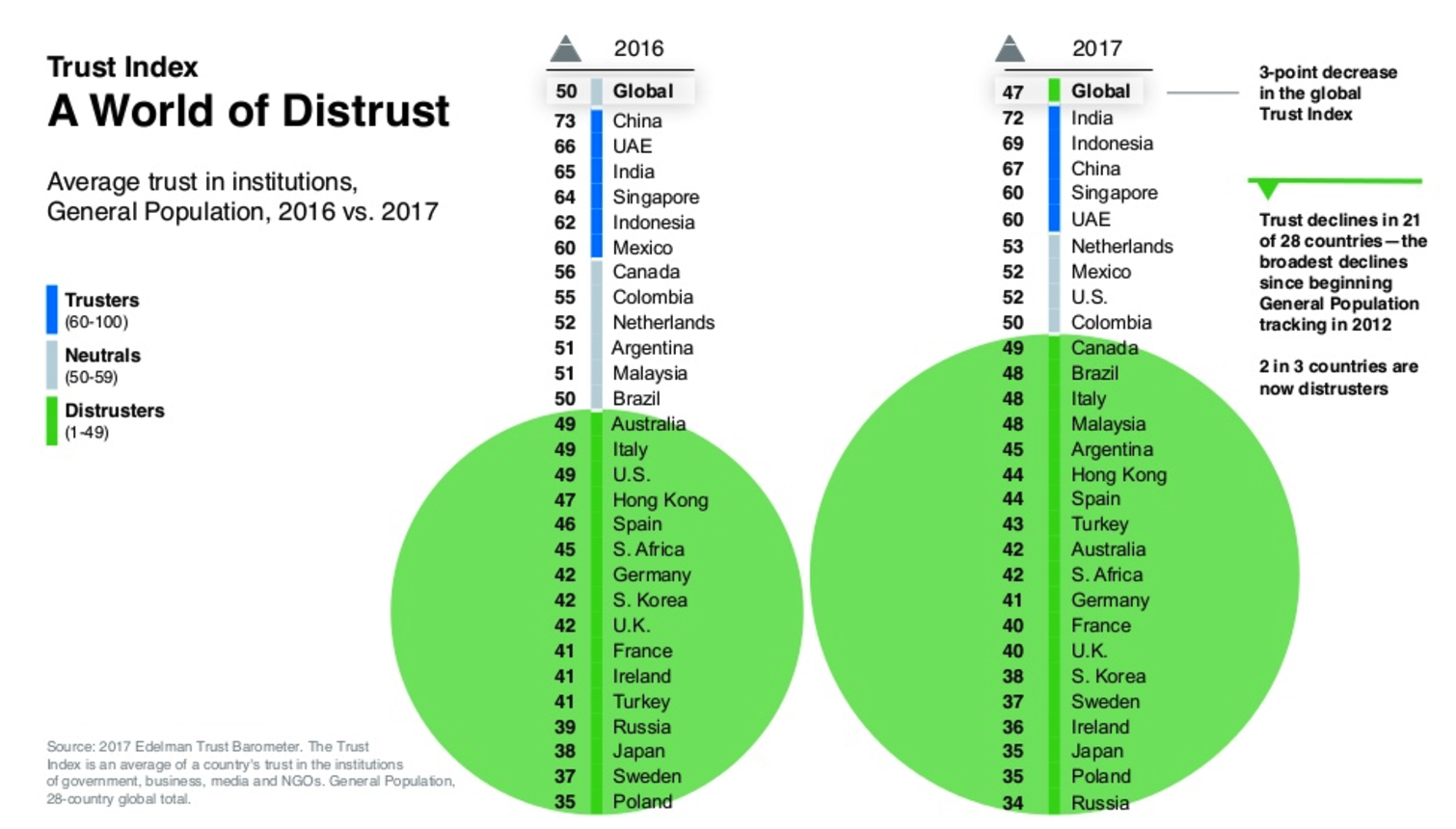
The survey results show the greatest loss of faith in the system has occurred in Western-style democracies.
So, who do we believe?
In the social media era, in which ‘fake news’ has become a buzz term, it is perhaps not surprising that more people have lost faith in the mainstream media. Instead, they increasingly trust their peers, “people like themselves”, as sources of information.
The echo-chamber phenomenon, in which a belief becomes objective truth because it is repeated within groups of like-minded people, has been widely noted. What is more surprising, however, is the fact that people’s peers are now seen as being as credible as those regarded as experts.
Why business is key
One of the survey’s key findings is the widespread acceptance that business can both make money, and have a positive impact on people’s lives. Globally, three-quarters of those surveyed agree that “a company can take specific actions that both increase profits and improve the economic and social conditions in the community where it operates.”
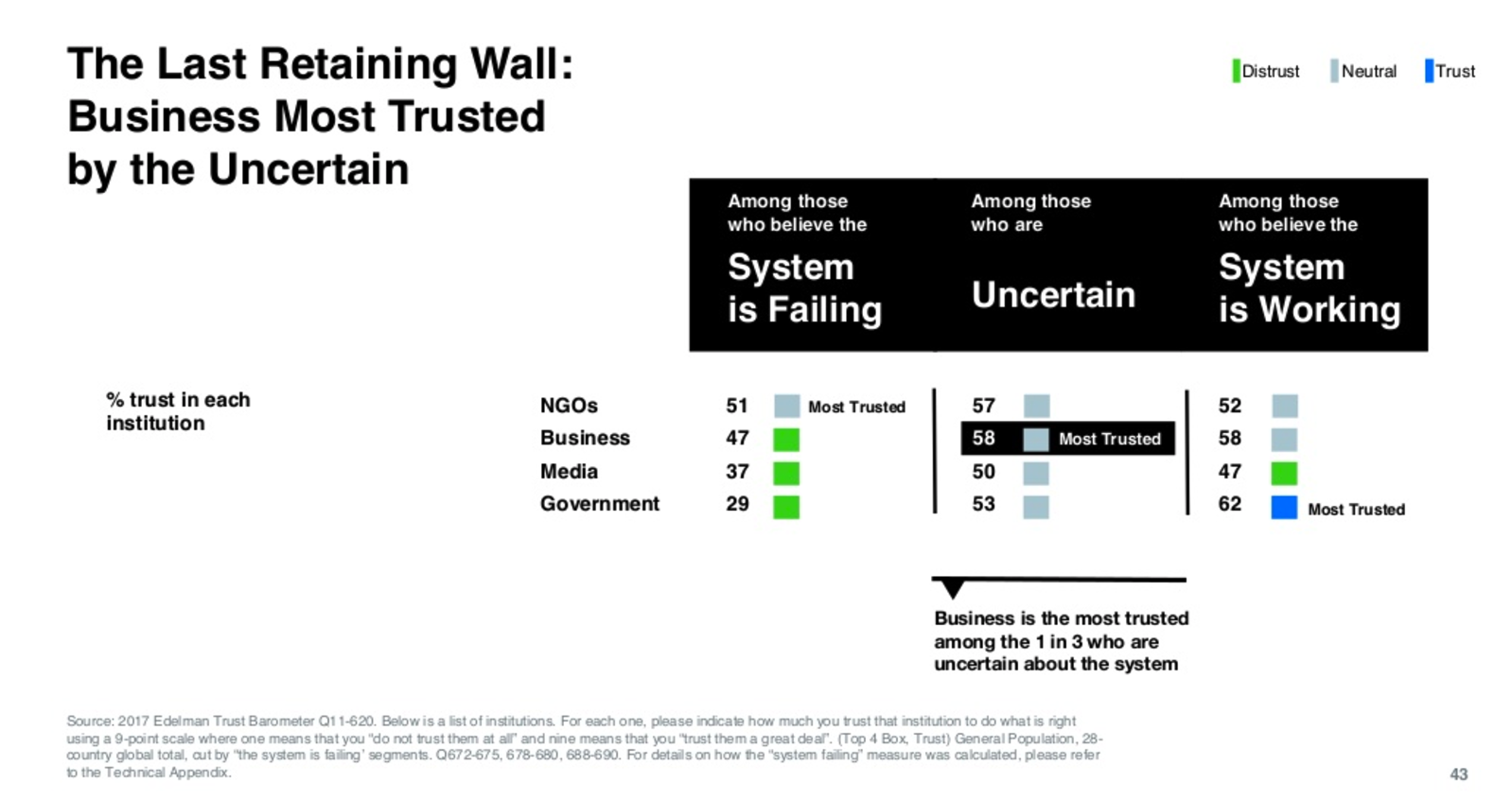
And, despite consumer cynicism, business is actually the most trusted category among those who are neutral on whether the “system is failing”. Not only does this confirm the trust-building role of business, it also presents it with an opportunity.
What business needs to do
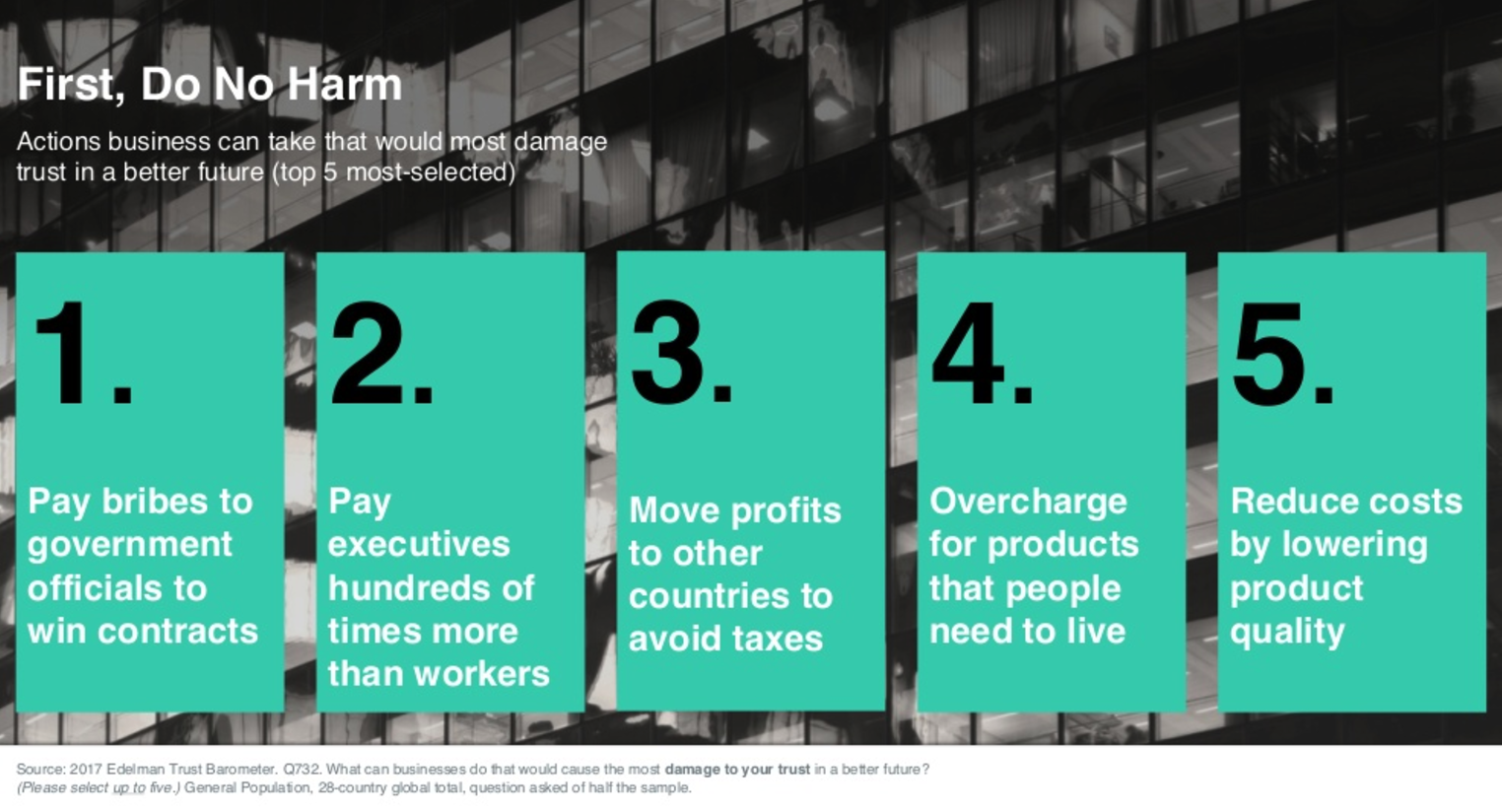
What business should not do to further damage trust is as important as the actions it needs to take to rebuild it.
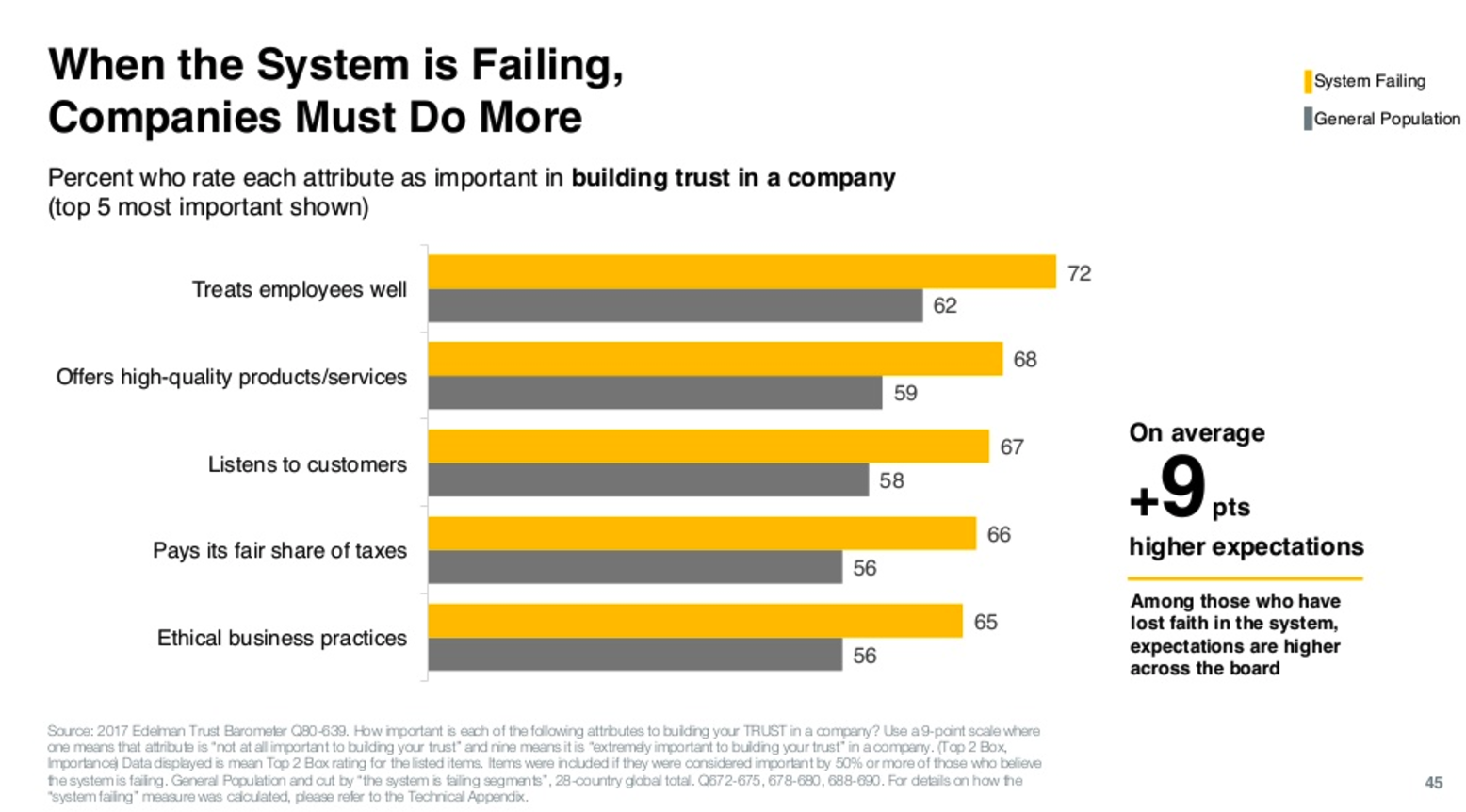
And to be rebuild trust, the message could not be simpler.
What business does is one thing, ensuring these actions are communicated effectively is as important. For many companies, the Edelman findings will imply a rethink of the way they talk to the public.
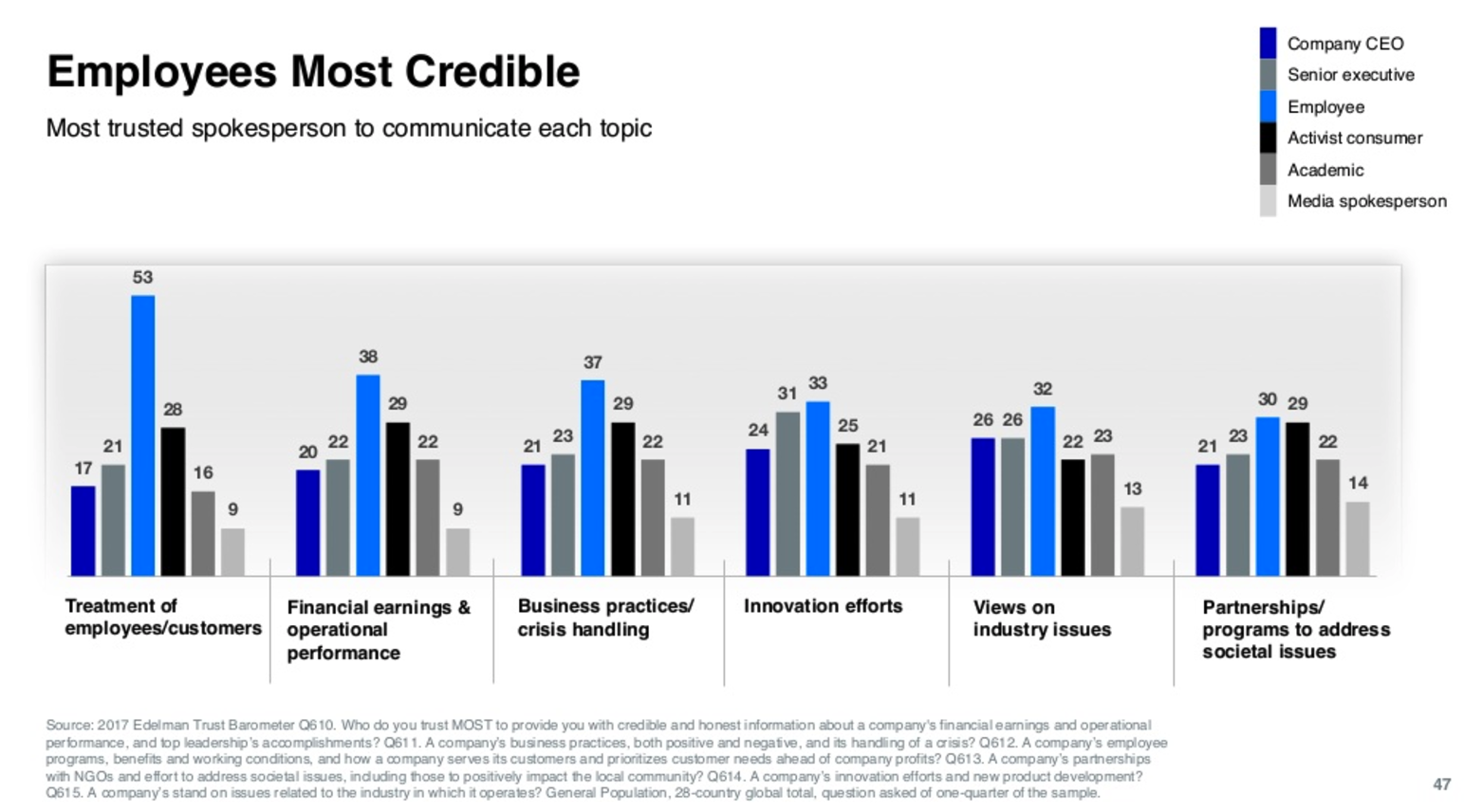
A company’s staff are the most credible on all topics the survey asked about.
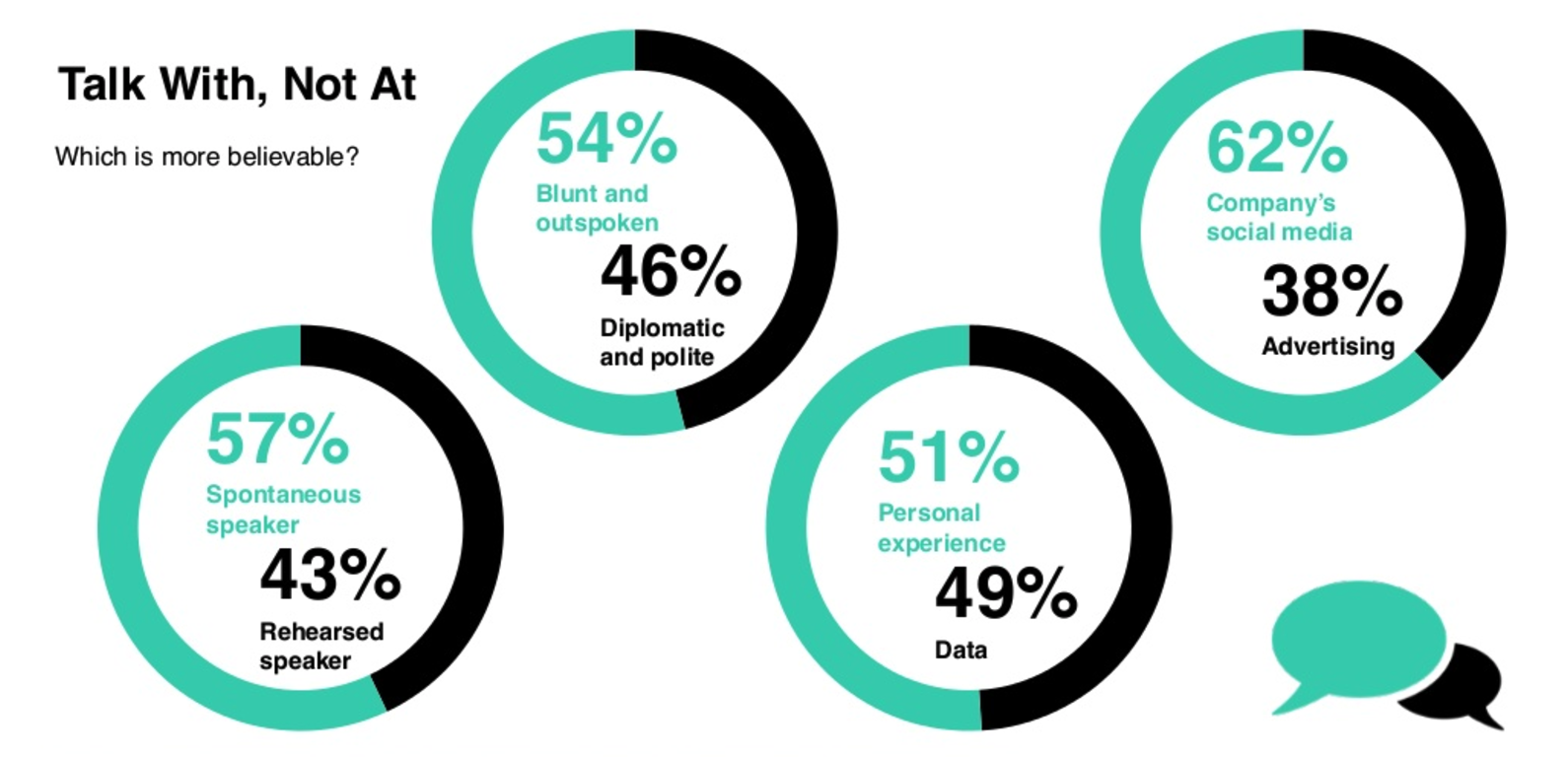
And the style of communication is also crucial.
People, it would seem, no longer trust a voice simply because it comes from authority. Instead of corporate-speak obfuscation, the style people feel they can engage with is probably best exemplified through social media – concise, direct and spontaneous.
 By: N. Peter Kramer