by Matthew Karnitschnig
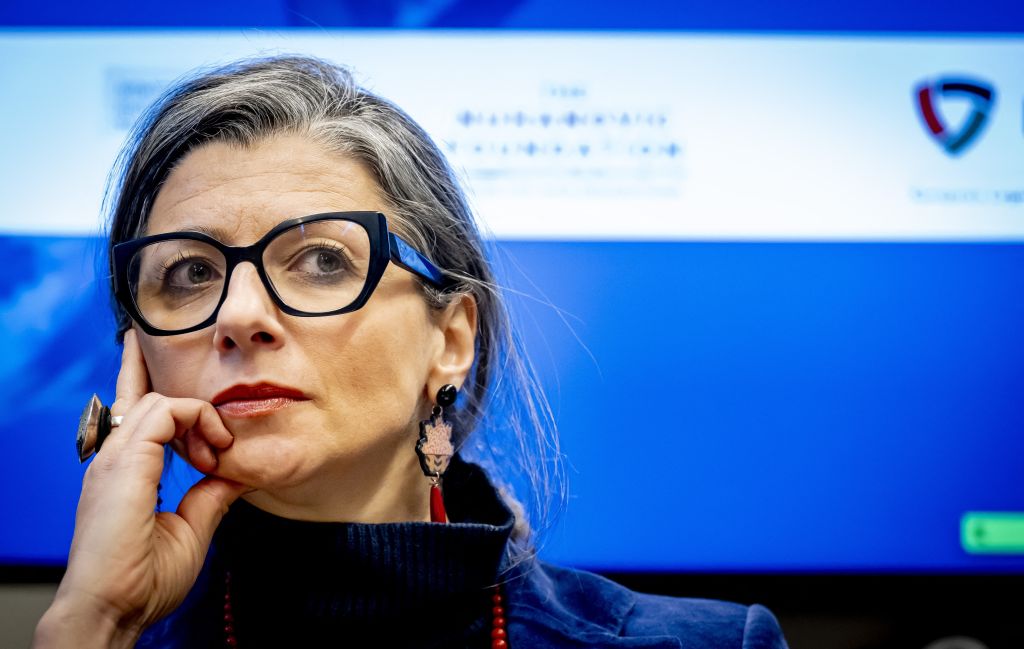
At the UN, that role is played by Francesca Albanese, the activist whose formal title is “Special Rapporteur on the situation of human rights in the Palestinian territories occupied since 1967”.
Since taking up the post in 2022, Albanese has turned an unpaid mandate into a global platform for her combative brand of anti-Zionism, becoming a cause célèbre on the far left – including its more radical “from the river to the sea” wing.
Even by those standards, however, her latest remarks were shocking. Speaking at a conference organised by Al Jazeera – where fellow speakers included Iran’s foreign minister and a senior Hamas leader – Albanese appeared to describe Israel as “a common enemy” of “humanity”.
She quickly denied meaning any such thing, blaming manipulation by opponents. Yet the unedited video she later posted in her own defence only compounded the controversy. Referring to Western support for Israel and what she called a “genocidal narrative”, she declared: “We now see that – we as a humanity – have a common enemy.”
Context matters. But so does pattern.
After 7 October, Albanese said that while Hamas ruled Gaza with “an iron fist”, it had also built schools and hospitals and provided the territory’s de facto administration – infrastructure Israel later destroyed. “When you think of Hamas,” she added, “you should not necessarily think of cut-throats, people armed to the teeth, or fighters.”
Taken in isolation, such remarks might be parsed charitably. Taken together, they form a consistent line.
The pattern extends beyond her own words. Her husband, Massimiliano Calì, a World Bank economist, last year deleted social media posts describing Israel as “the world’s most terrorist state”.
Yet Albanese retains influential backing. Film-maker Spike Lee and Nobel laureate Annie Ernaux were among those pressuring France’s foreign minister, Jean-Noël Barrot, to retract his call for her resignation.
Barrot has not budged. “Her words are reprehensible – and add to a long list of unacceptable provocations, including the justification and relativisation of October 7,” he recently told French television. The accumulation, he argued, should lead her to resign.
That’s unlikely. Although Germany, Austria, Italy and Czechia have joined France in criticising her, Albanese continues to enjoy support among Israel’s many detractors within the UN.
The Human Rights Council, which appointed her, is meeting this week in Geneva. It is unlikely to act.
That reluctance speaks volumes. Even those sharply critical of Israel’s conduct in Gaza should recognise that casting the world’s only Jewish state as humanity’s “common enemy” crosses a major red line. By declining to confront the issue, the UN risks further eroding its own authority – at a moment when its relevance is already in question.
*Published first on Euractiv.com
 By: N. Peter Kramer