How to navigate a stop-and-start pandemic economy
By: EBR | Monday, December 28, 2020
You can see it in the airlines removing scheduled flights, factories cancelling shifts, restaurants closing again and movie theatres shuttering once more
3 charts that show which countries and which sectors emit the most greenhouse gas
By: EBR | Wednesday, December 23, 2020
A lot has happened since countries met in Paris in 2015 and agreed on an accord to combat climate change

Don’t Confuse Platforms with Ecosystems
By: EBR | Tuesday, December 22, 2020
What’s even worse than ubiquitous business buzzwords? When those buzzwords are also used interchangeably. Case in point: the terms “platform” and “ecosystem”

Minding the information gap and why it’s important in tackling COVID-19
By: EBR | Tuesday, December 22, 2020
As the tech response to COVID evolves, it’s essential that accurate information is readily available to help tackle the crisis
Countries signal greater climate ambition but ‘step change’ needed on road to Glasgow
By: EBR | Monday, December 14, 2020
More than 70 heads of state showed stronger climate action at a virtual summit, but heavy lifting remains in 2021 to meet the ambition of Paris

What the Digital Services Act must do to protect online shoppers
By: EBR | Monday, December 14, 2020
From scam ads on Google and Facebook, the purchase of fake reviews on various platforms to chemicals surpassing legal limits in children’s toys sold on Wish, Amazon and eBay – the internet is rife with products, services and content which should never be offered in Europe
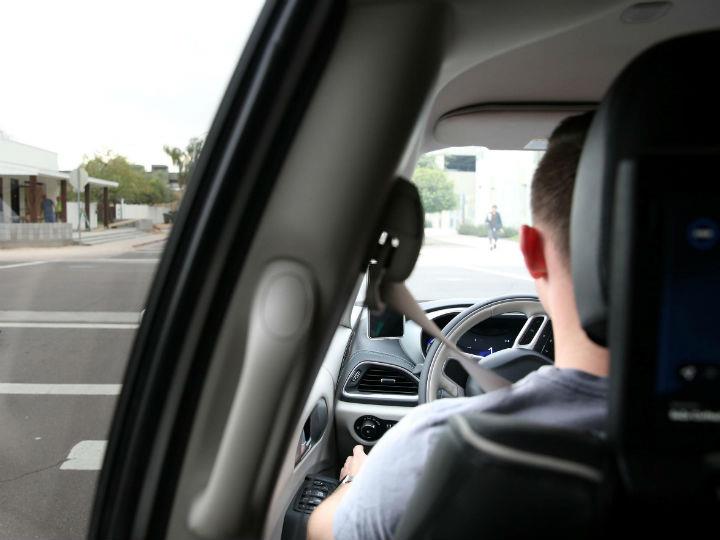
Connected cars can help curb emissions, says study
By: EBR | Tuesday, December 1, 2020
Europe’s transport sector is one of the few parts of the economy where emissions are still growing and as policy-makers mull how best to reduce mobility’s environmental impact
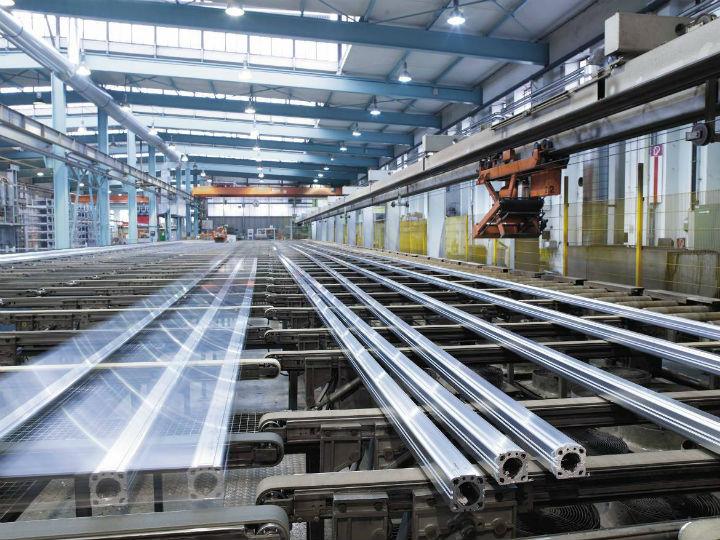
Why addressing the aluminium industry’s carbon footprint is key to climate action
By: EBR | Tuesday, December 1, 2020
With the fifth anniversary of the Paris Climate Agreement this December and the COP26 Race to Zero dialogues throughout November in preparation for the meeting in 2021, climate change remains high on the agenda despite the ongoing challenges COVID-19 presents
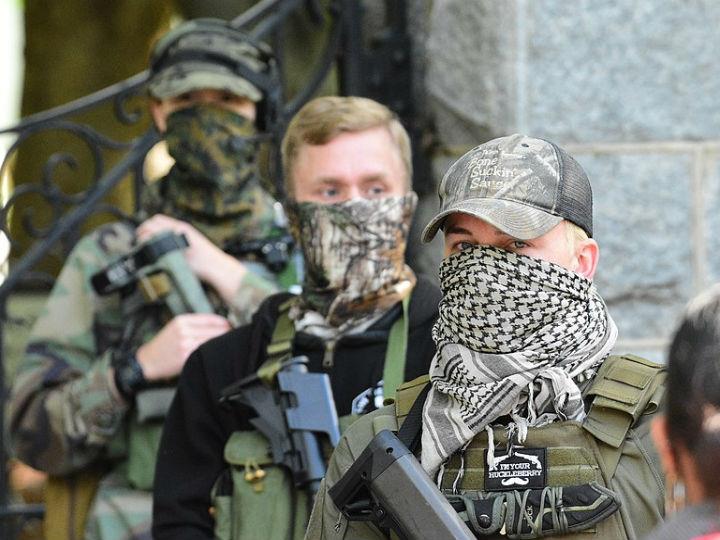
Far-right terrorism bigger threat to West than Islamic State – study
By: EBR | Wednesday, November 25, 2020
Global deaths from terrorism have fallen for a fifth consecutive year, according to the 2020 Global Terrorism Index, but far-right attacks have increased by 250% globally, to a level not seen in the last 50 years, with the pandemic likely to exacerbate the trend

How to Be a Blue Ocean Strategist in the Post-Pandemic World
By: EBR | Wednesday, November 25, 2020
As the Covid-19 pandemic continues to evolve, managers around the world are bracing for new challenges ahead

What is servitisation, and how can it help save the planet?
By: EBR | Tuesday, November 24, 2020
The rising global population and continuous economic growth are driving an increasing demand for energy
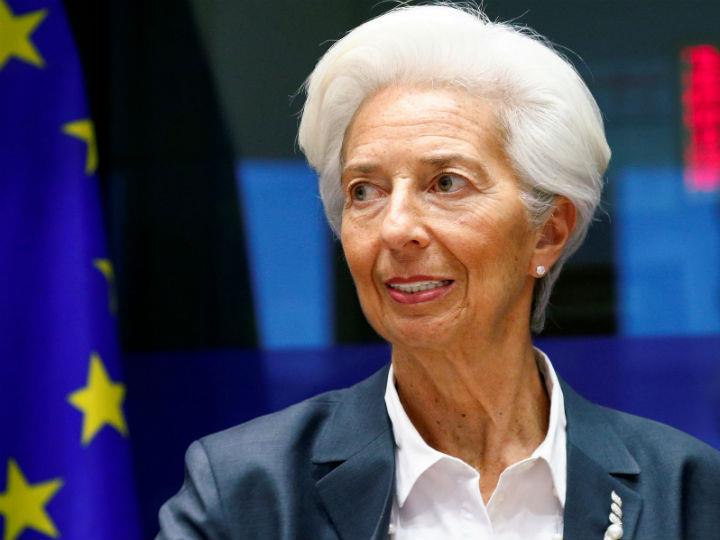
How COVID-19 is changing the economy – and what we can do about it, according to Christine Lagarde
By: EBR | Friday, November 20, 2020
Recovery from the economic setbacks induced by the pandemic will demand close cooperation between the public and private sectors, says Christine Lagarde, President of the European Central Bank
5 ways political risk has changed natural catastrophe risk
By: EBR | Thursday, November 19, 2020
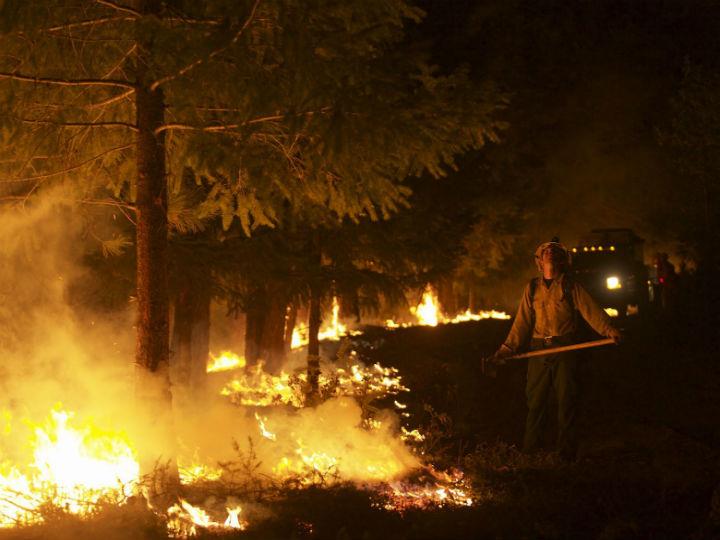
Natural catastrophes have always included an element of political risk. Whether it involves seeking aid from other countries or non-governmental organizations (NGOs), or simply the allocation of a country’s resources by the party in power, there’s no shortage of political calculus in post-disaster decision-making

20 views on the biggest opportunity for change after the pandemic
By: EBR | Monday, November 16, 2020
What is the biggest opportunity you see for positive change in the post-pandemic world? And what is your best piece of advice for how to make change happen?

We urgently need a Global Data Convention
By: EBR | Monday, November 16, 2020
Data: a word that defines our age. Today, data has assumed a new importance for economies and societies. It is at the heart of almost everything we do, a ubiquitous globalized commodity, easily shared, duplicated and traded

5 ways to tackle the housing crisis after COVID-19
By: EBR | Friday, November 13, 2020
Even as COVID-19 infection rates continue to rise in many areas around the world, we must look for practical and effective strategies to emerge from and recover from the pandemic’s devastating effects

How we can prioritize sustainability in rebuilding tourism
By: EBR | Friday, November 13, 2020
The COVID-19 crisis has highlighted the global importance of the travel and tourism industry economically, as well as its interconnectedness with other industries

How sustainable digital finance can unlock a low-carbon economy
By: EBR | Thursday, November 12, 2020
Many governments and corporations have made bold commitments to tackle climate change, labelling the next 10 years as the “decade to deliver”
This is why we need to talk about responsible AI
By: EBR | Thursday, November 12, 2020
Bias in AI and other negative consequences of the technology have become common media fodder
4 lessons from nature to build a circular economy
By: EBR | Tuesday, November 10, 2020
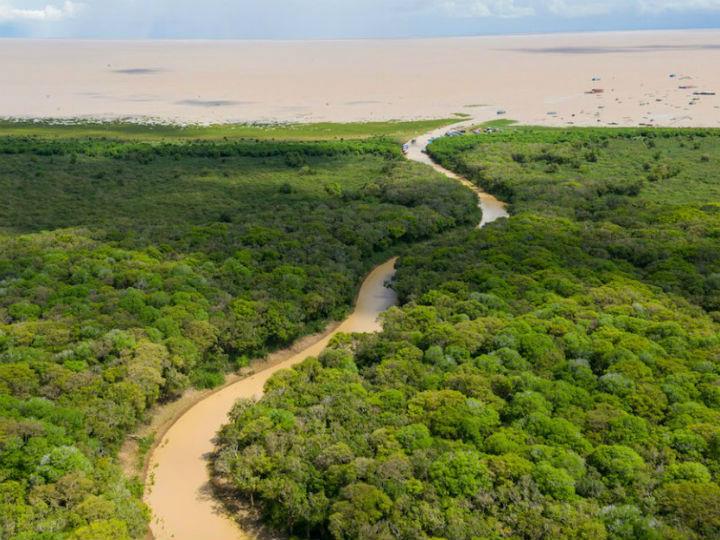
The circular economy is one of the few disruptive concepts with universal appeal - with business leaders, investors, activists, economists and environmentalists
 By: N. Peter Kramer