.jpg)
Ma-Xi meeting in Singapore receives mixed public response in Taiwan
By: N. Peter Kramer | Wednesday, November 11, 2015
Polls in Taiwan have generally found support for meetings between the two sides but have also indicated wariness about Ma’s intentions.
Brussels completely misled by Moldova′s pro-European bid?
By: EBR | Monday, November 9, 2015
Exports increased, the economy grew and, in return for a series of reforms, including improving human rights, Moldovan citizens were granted visa-free travel into E.U. territory.
Putin’s deceptive pause: What are Russia’s next steps in Ukraine?
By: EBR | Thursday, November 5, 2015
The key question is: What does Putin have in mind? What are his plans, assuming that he has plans, and is not winging the crisis day by day?
.jpg)
Europe’s populists: A present and rising danger
By: EBR | Thursday, October 29, 2015
It is the degree of this – and fundamentally its effect on governments – which is causing most concern among mainstream parties.
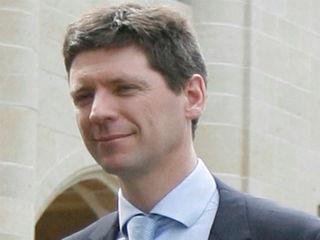
Eurozone′s enforcer ready to keep Greece′s new leader in line
By: EBR | Tuesday, October 27, 2015
Dutch economist Maarten Verwey has unprecedented powers as his taskforce oversees the implementation of Greece’s cash-for-reforms rescue package.
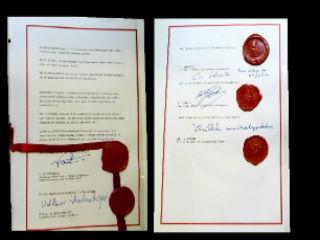
Europe Rethinks the Schengen Agreement
By: EBR | Friday, October 23, 2015
The most important change of the past six years is probably Europe's economic crisis and its byproduct, the rise of nationalist political parties.

What Europe really needs is a single market for entrepreneurs
By: EBR | Wednesday, October 21, 2015
‘Creative destruction’ is what ultimately drives economic growth, and Europe doesn’t have enough of it. We have a much larger share of ‘static’ companies that neither grow nor shrink compared to the U.S., and very few of our largest companies are young. In other words, Europe is a great place for doing business, but only if you are an old-established incumbent.
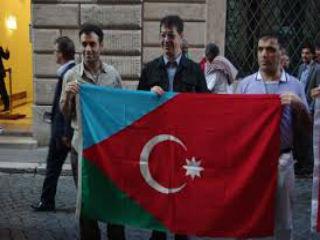
Nagorno-Karabakh conflict is main problem for Azerbaijan people
By: EBR | Tuesday, October 20, 2015
Azerbaijanis go to the ballot box in less than two weeks, with almost 80 per cent of voters believing their nation is "heading in the right direction" under the present leadership and that the unresolved Nagorno-Karabakh conflict remains the defining issue.
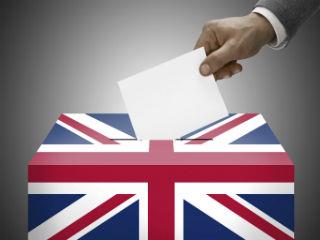
UK: The EU referendum campaign is likely to be defined by shades of grey and fine margins
By: EBR | Tuesday, October 20, 2015
There is undoubtedly a large swath of voters up for grabs who are at this stage either unconvinced of the case either way or have yet to engage with the issues (this is a familiar story in polling going back some way).
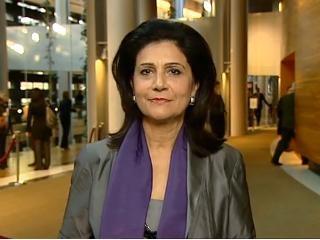
The continuous Ideal and Challenge of Democracy
By: EBR | Friday, October 16, 2015
The power of democracy though is the civic intervention, the change and the development. This is also our power and responsibility.
Ethnic Greeks in Ukraine complain
By: EBR | Friday, October 2, 2015
According to the most recent Ukrainian census there are 91,548 ethnic Greeks in Ukraine, that is 0.2% of the whole population. The vast majority of these (77,000) have always lived, and still do, in the Donetsk Oblast.
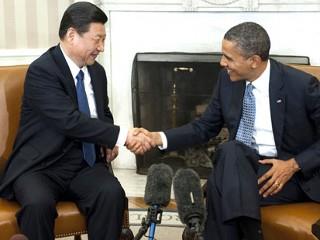
President Obama reaffirms US commitment to Taiwan with reference to TRA in joint press conference with Xi Jinping
By: EBR | Monday, September 28, 2015
In recent years mutual trust has been restored between Taipei and Washington, and continues to strengthen through a variety of communication channels.
MEPs explain objecting to Parliamentary resolution condemning Azerbaijan
By: EBR | Friday, September 25, 2015
The resolution adopted by the European Parliament at it plenary in Strasbourg on 10 September calls on the European Commission" to review and suspend temporarily, if needed, all funding not related to human rights, civil society and grassroots level people-to-people cooperation granted to Azerbaijan through the European Neighbourhood Instrument" and recalls Parliament's decision to send a delegation to Azerbaijan.
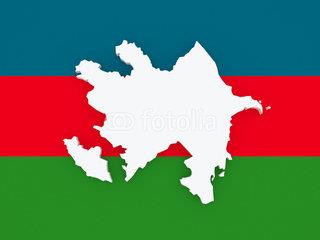
Is the end of the Eastern Partnership near?
By: EBR | Monday, September 21, 2015
The Azerbaijani authorities have been quick to hit back, warning that the dispute threatens to seriously undermine relations with the EU and calling on the EU "not to push Azerbaijan into Russia's arms."
Democracy and the Revolution of Values
By: Athanase Papandropoulos | Wednesday, September 16, 2015
Values, the concepts people believe in, the standards they live by, and the views they hold and by which they measure others, are shifting.
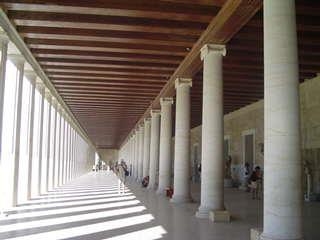
The capacity to compromise: an ultimate requirement for any effective democracy
By: EBR | Wednesday, September 16, 2015
Quality of life was the prime concern.
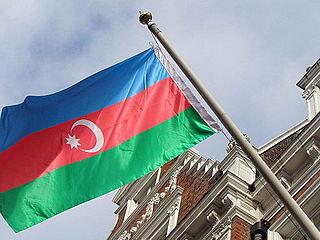
"Diversification" has become the buzzword of choice for booming Azerbaijan
By: EBR | Friday, September 11, 2015
The country, which once hosted the historic Silk Road, has already received the first container train from China along the Trans-Caspian International Transport Route.

Azerbaijan holds the key to stopping ISIS
By: EBR | Thursday, August 27, 2015
Whereas radicalisation is increasing in countries such as Tunisia, Egypt, Libya, Iraq and Syria, there has been a weakening in the phenomenon of radicalisation in Azerbaijan.
Syriza’s breakup and the next day in Greek politics
By: EBR | Thursday, July 23, 2015
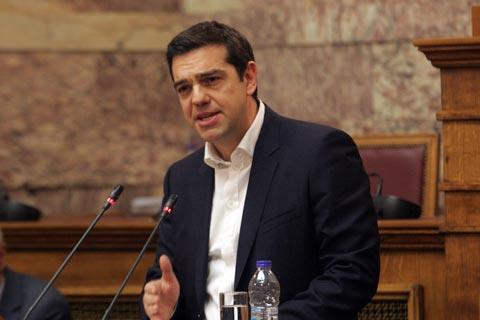
Tsipras’s adventurous strategy offered a chance and a wake-up call for European socialists on a government level. The only strong supporter of Tsipras during these months in the EP was Gianni Pittella, the head of S&D.
The unsolved problem of Greek production
By: EBR | Thursday, July 16, 2015
It is a fact that in recent years, Greek economy has been through a period of political instability, uncertainty and constantly increasing unemployment which currently exceeds 27% of the active population, while youth unemployment is over 50%.
 By: N. Peter Kramer